

The best waste is the waste that is not Produced.

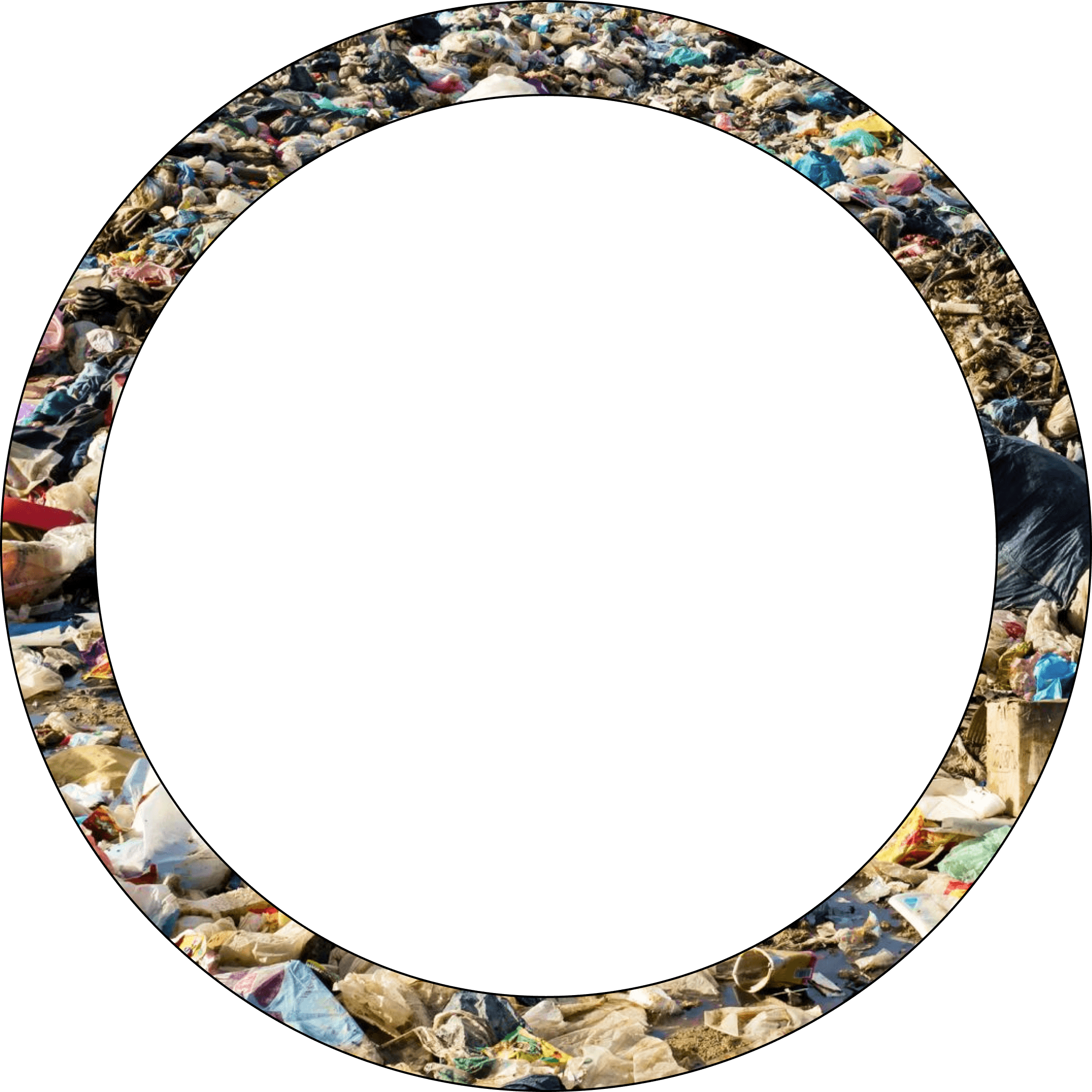
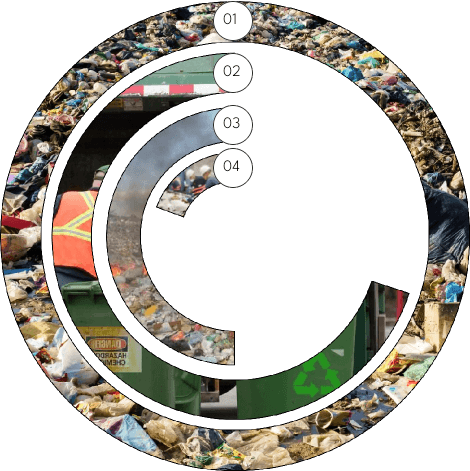
India generates a massive volume of waste each year due to rapid urban growth, rising consumption patterns, and limited source level waste reduction practices across regions, resulting in an annual total of
62 million tonnes
01.
Waste produced is formally collected by authorised bodies, revealing gaps in collection coverage, infrastructure, and system efficiency nationwide, as only a portion of the total waste generated is actually collected which is
43 million tonnes
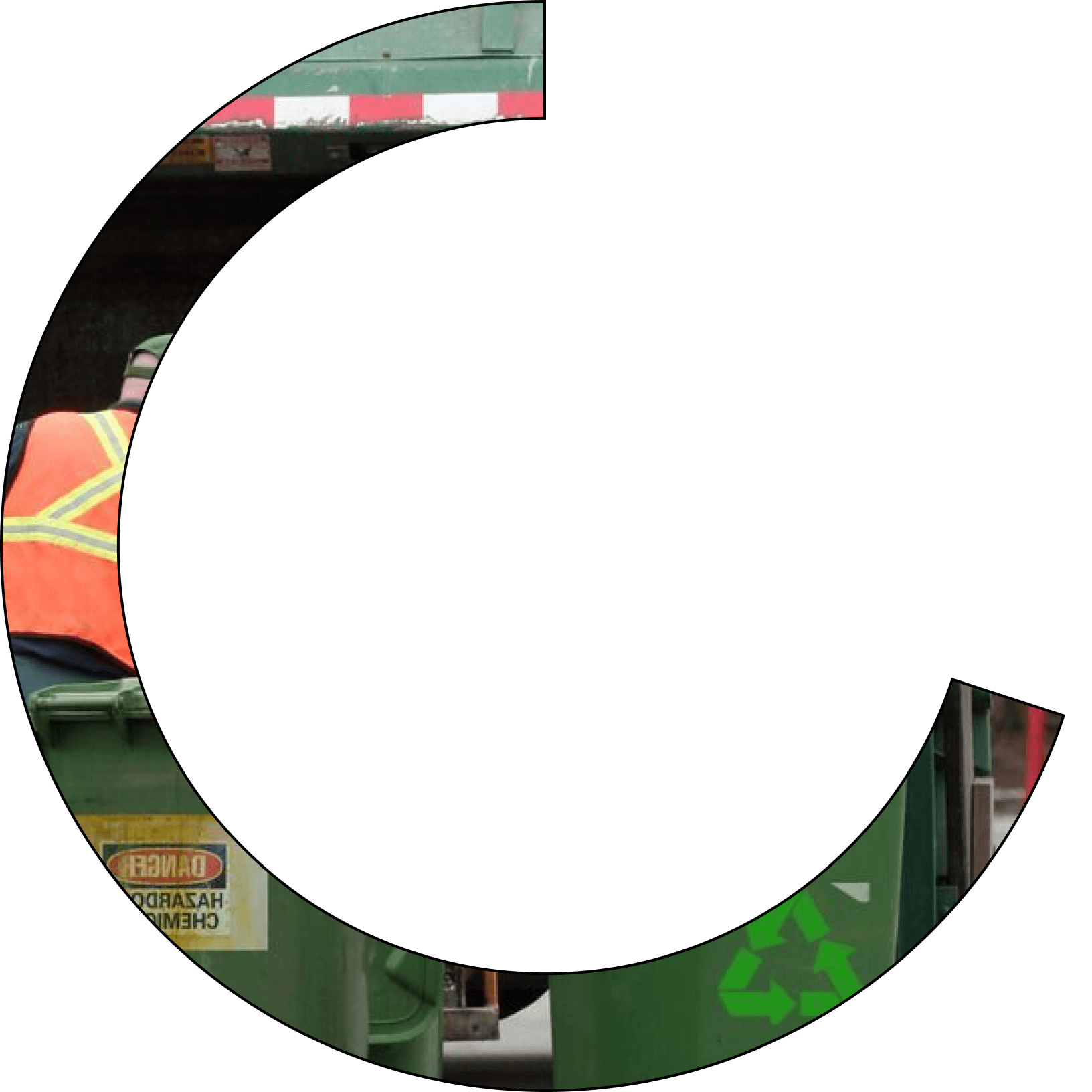
02.

03.
31 million tonnes
of waste ultimately end up in landfill sites, indicating heavy reliance on dumping as a primary disposal method and exposing long-term environmental, health, and land-use consequences.
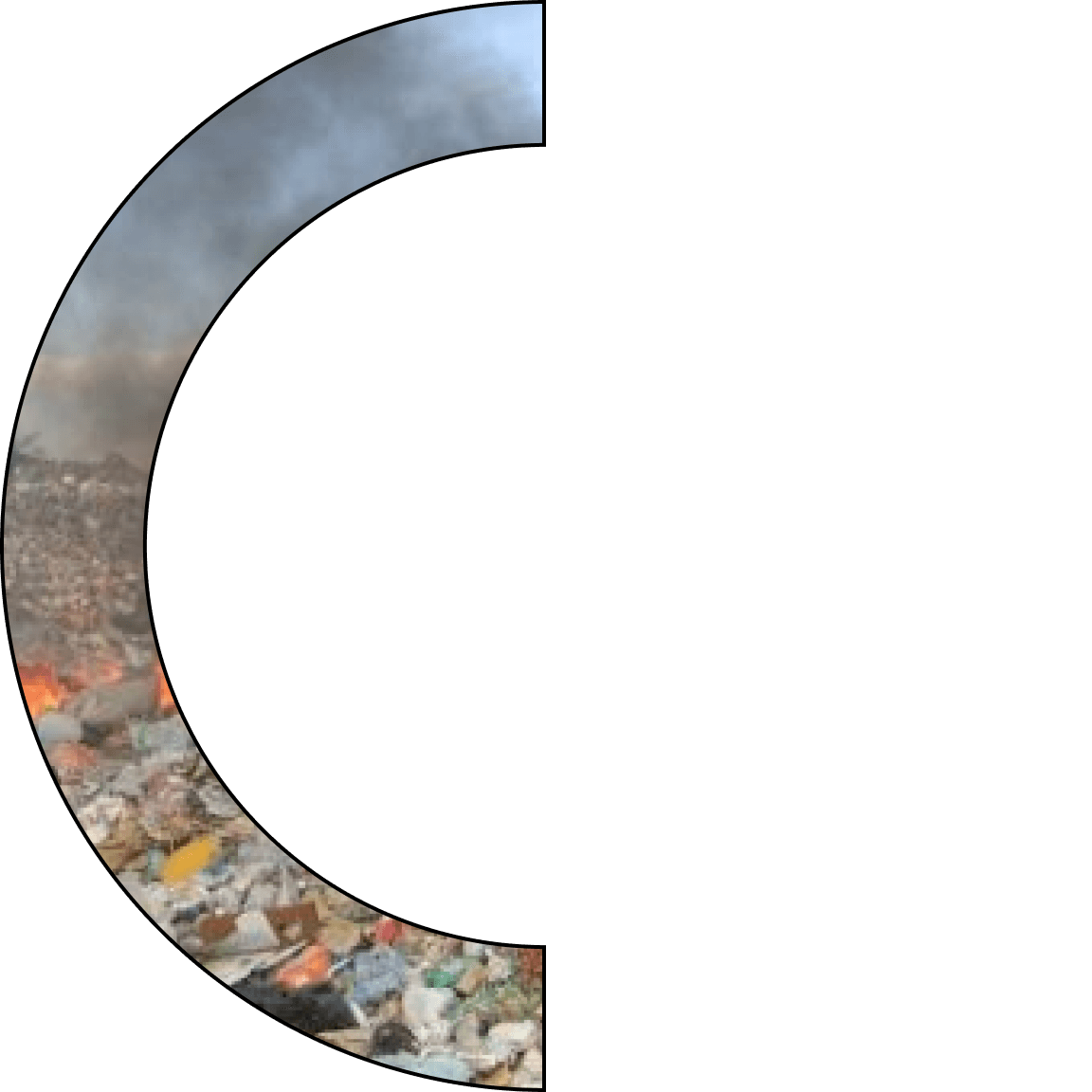
04.
12 million tonnes
of waste undergo treatment through recycling, composting, or processing, revealing limited treatment capacity and missed opportunities for circular systems, resource recovery.
Where does all this waste come from, who manages it and where does it go?
Waste comes from homes, businesses, and bulk generators. It is collected by sanitation workers and municipalities, regulated by government bodies, processed by private companies, and influenced by NGOs—flowing through segregation, recycling, treatment, and disposal under the Solid Waste Management Rules, 2016.
Primary and Secondary Collection
Waste Segregation at Source
Final Disposal (Sanitary Landfills)
Transportation and Logistics
SWM Rules, 2016
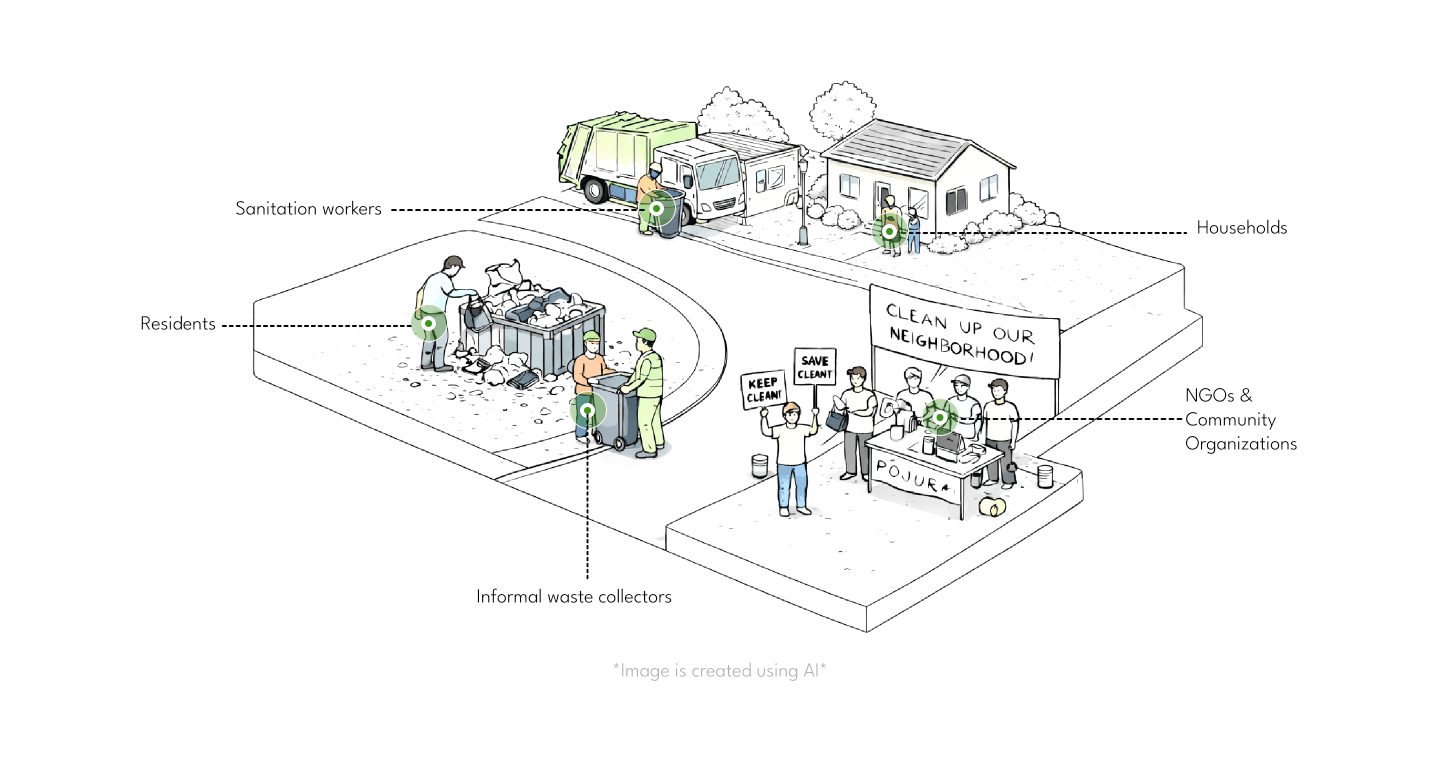
How do you contribute in your neighbourhood?
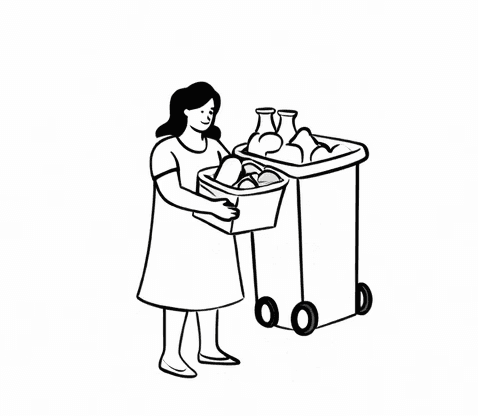
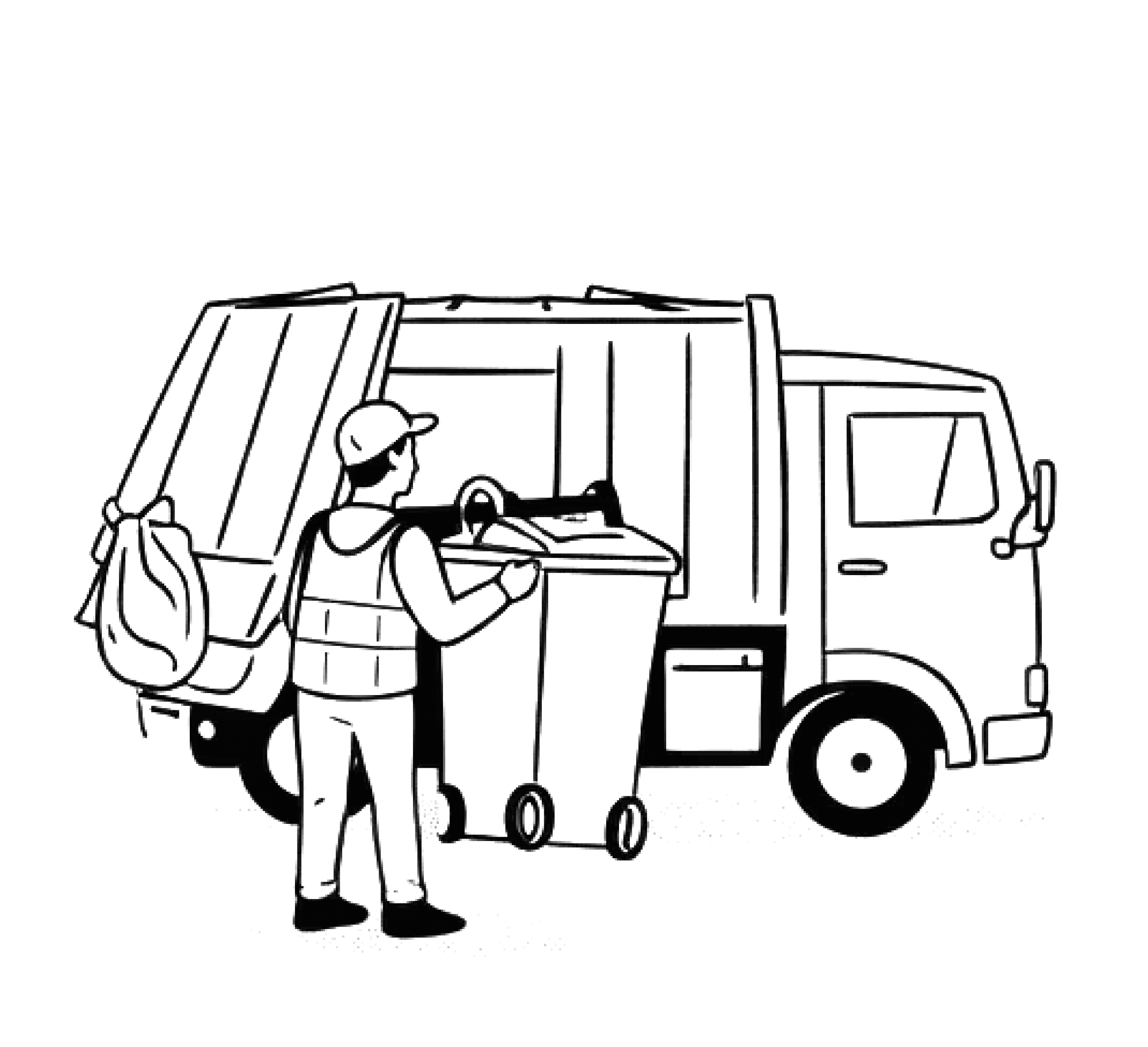
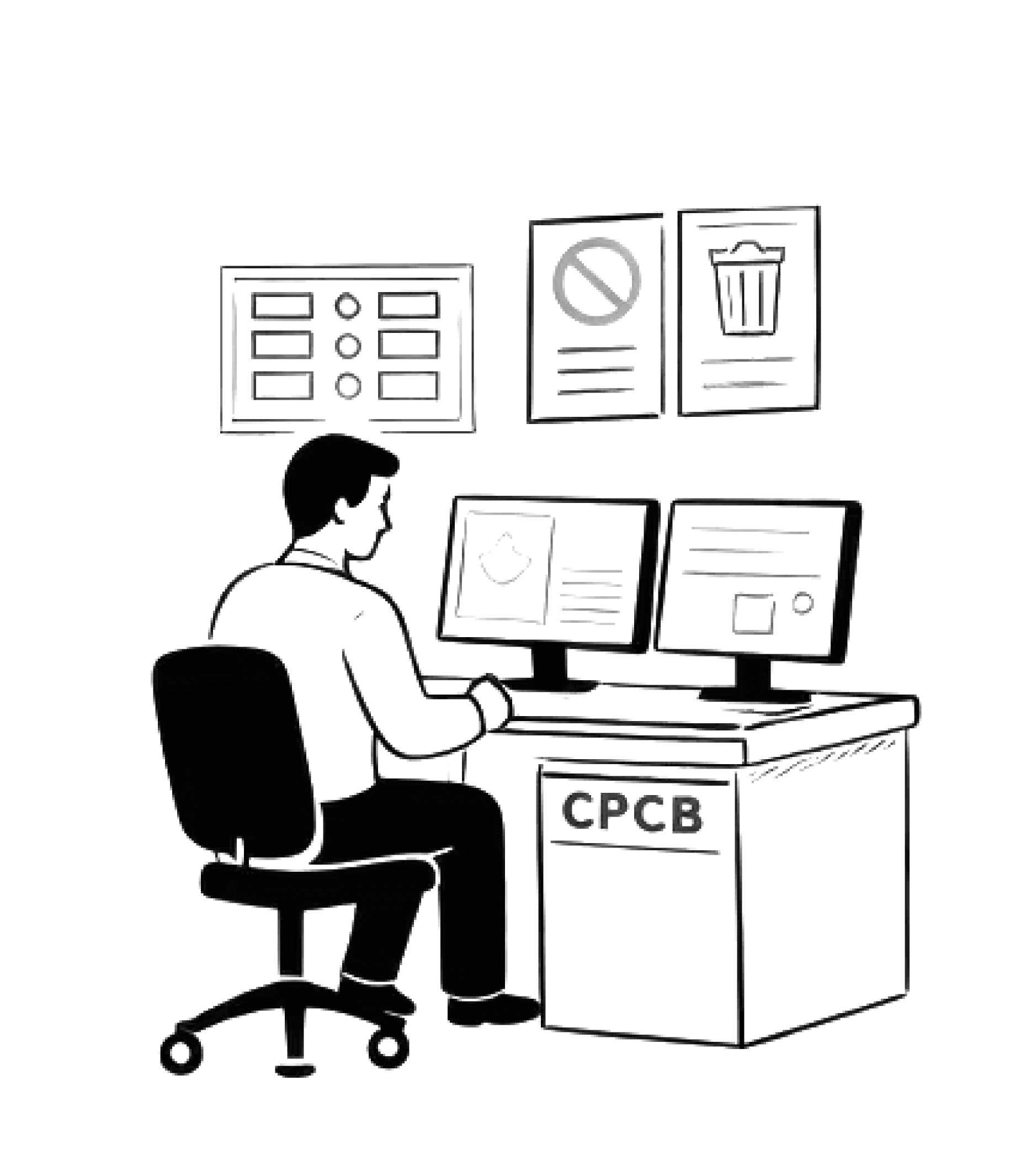
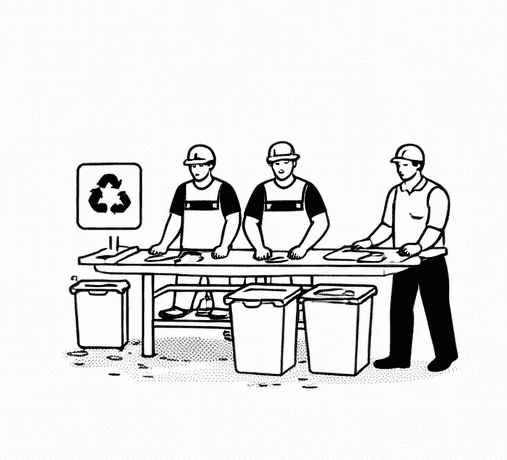
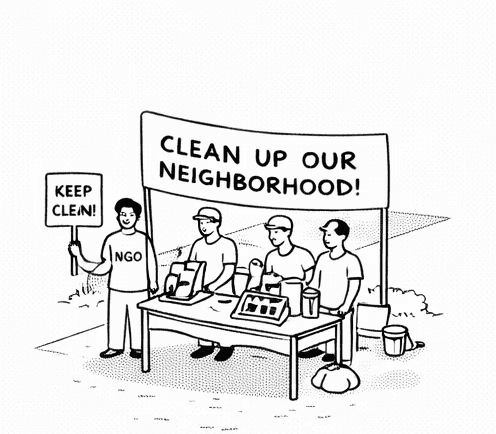
If waste management is regulated, why does India still looks and feels this?
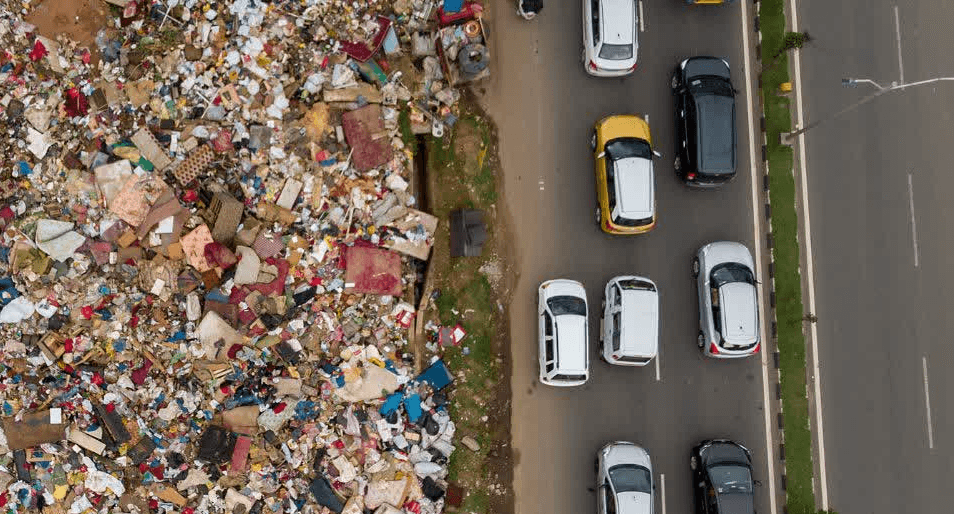
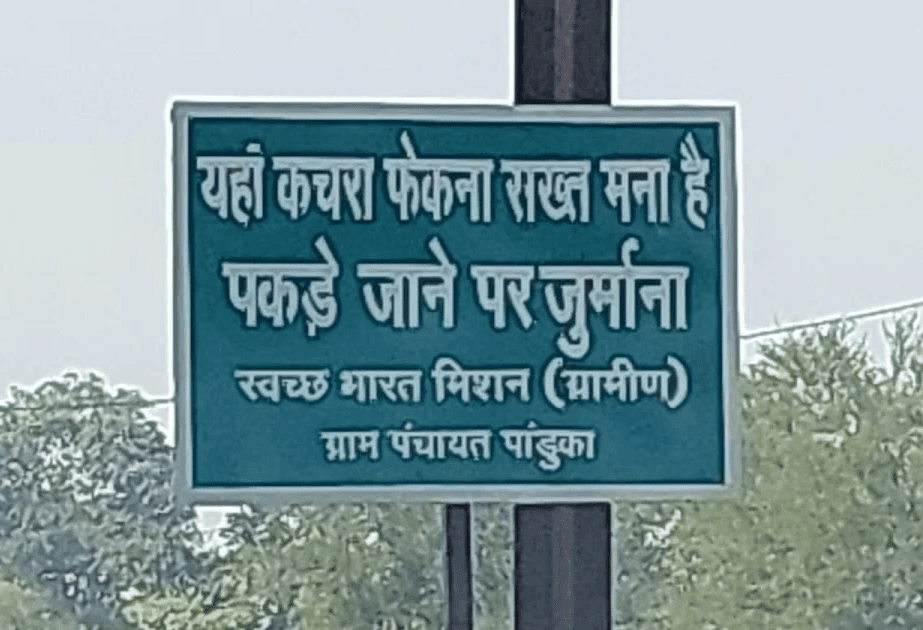
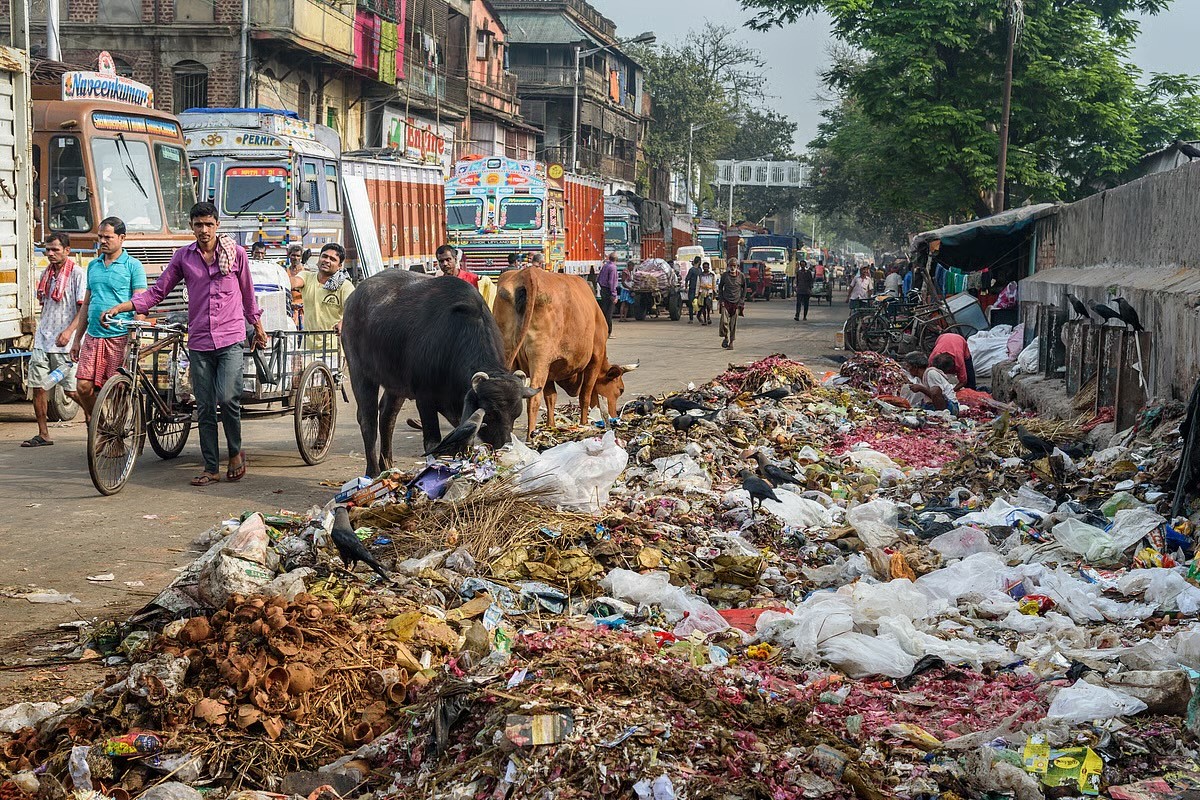
To examine the question, “If waste management is regulated, why does India still look and feel this way?”, these insights were drawn from primary research conducted across multiple stakeholders. This included over 50 resident survey responses, 4–5 interviews with waste handlers, 4–5 email and DM exchanges with NGOs and sustainability influencers, observational insights on informal waste collectors, and 1–2 interviews with sanitation staff.
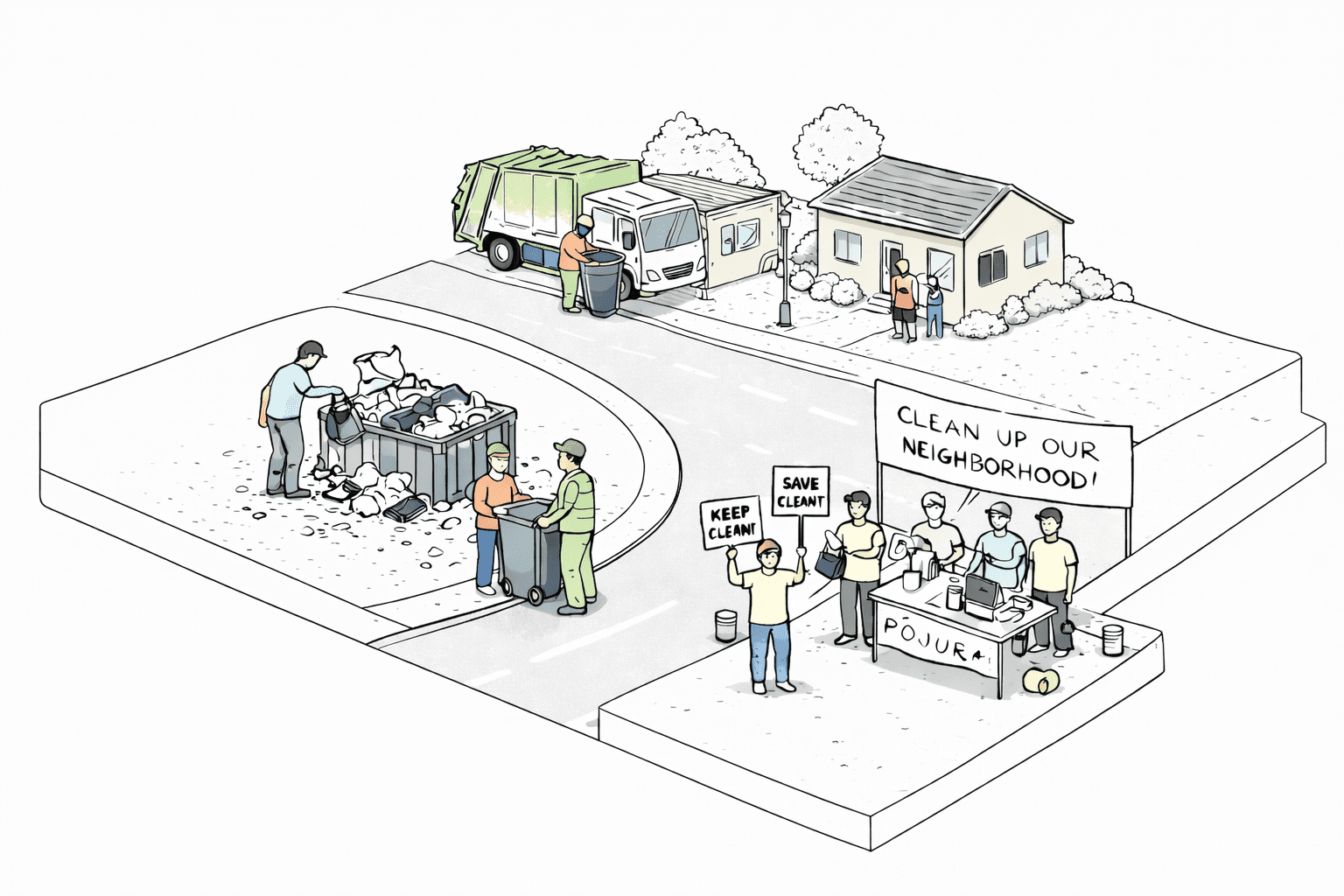
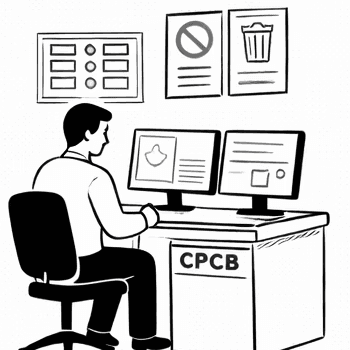
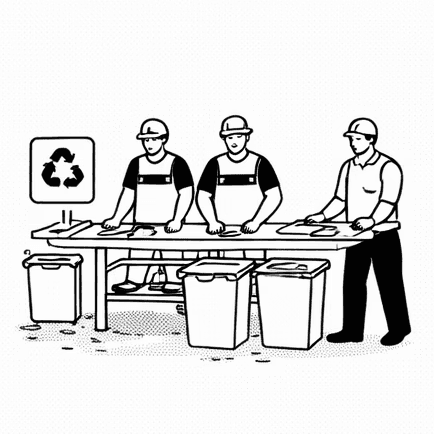
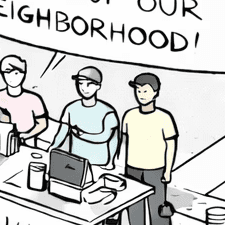

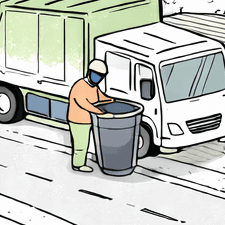
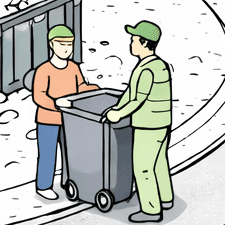
*Hover over the stakeholder to know their opinion*
If No One Is Satisfied, What Is Failing?
This causal loop diagram illustrates how stakeholder behaviors, infrastructure gaps, enforcement challenges, and cost pressures interact and reinforce one another, creating persistent inefficiencies in urban waste management and making long-term, system-wide improvement difficult.
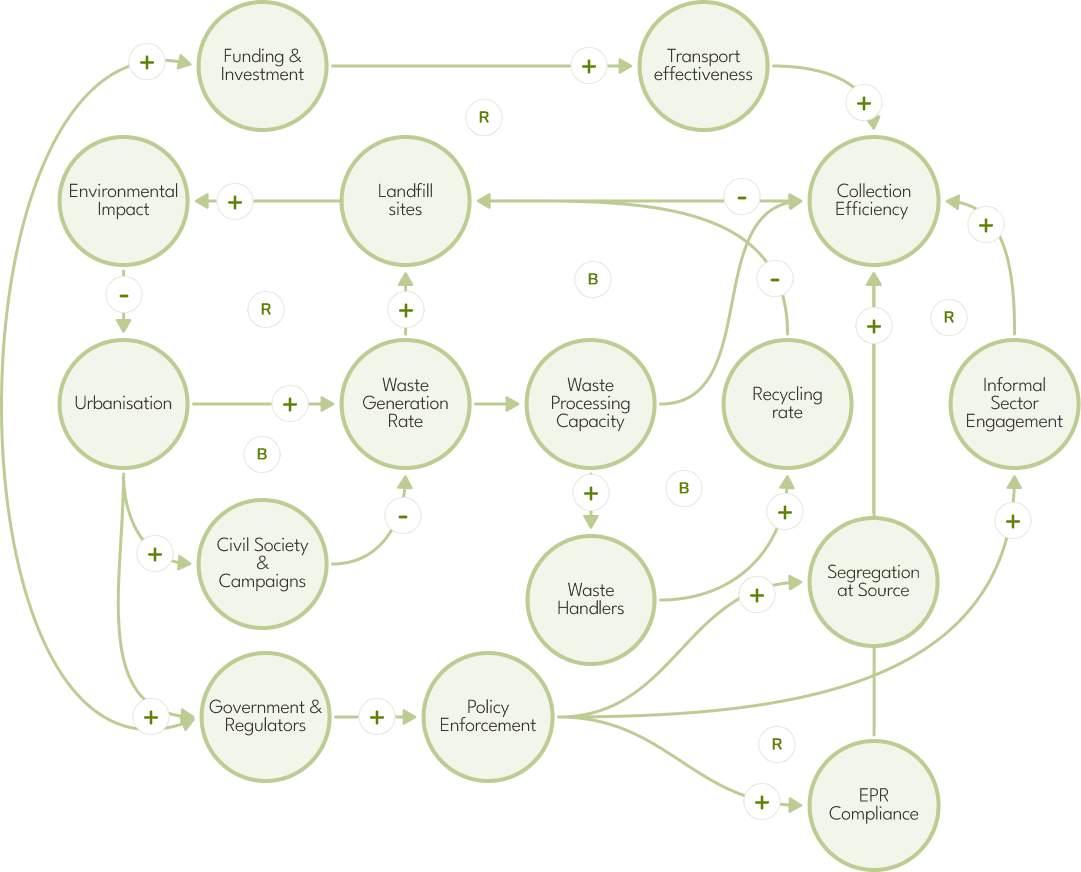
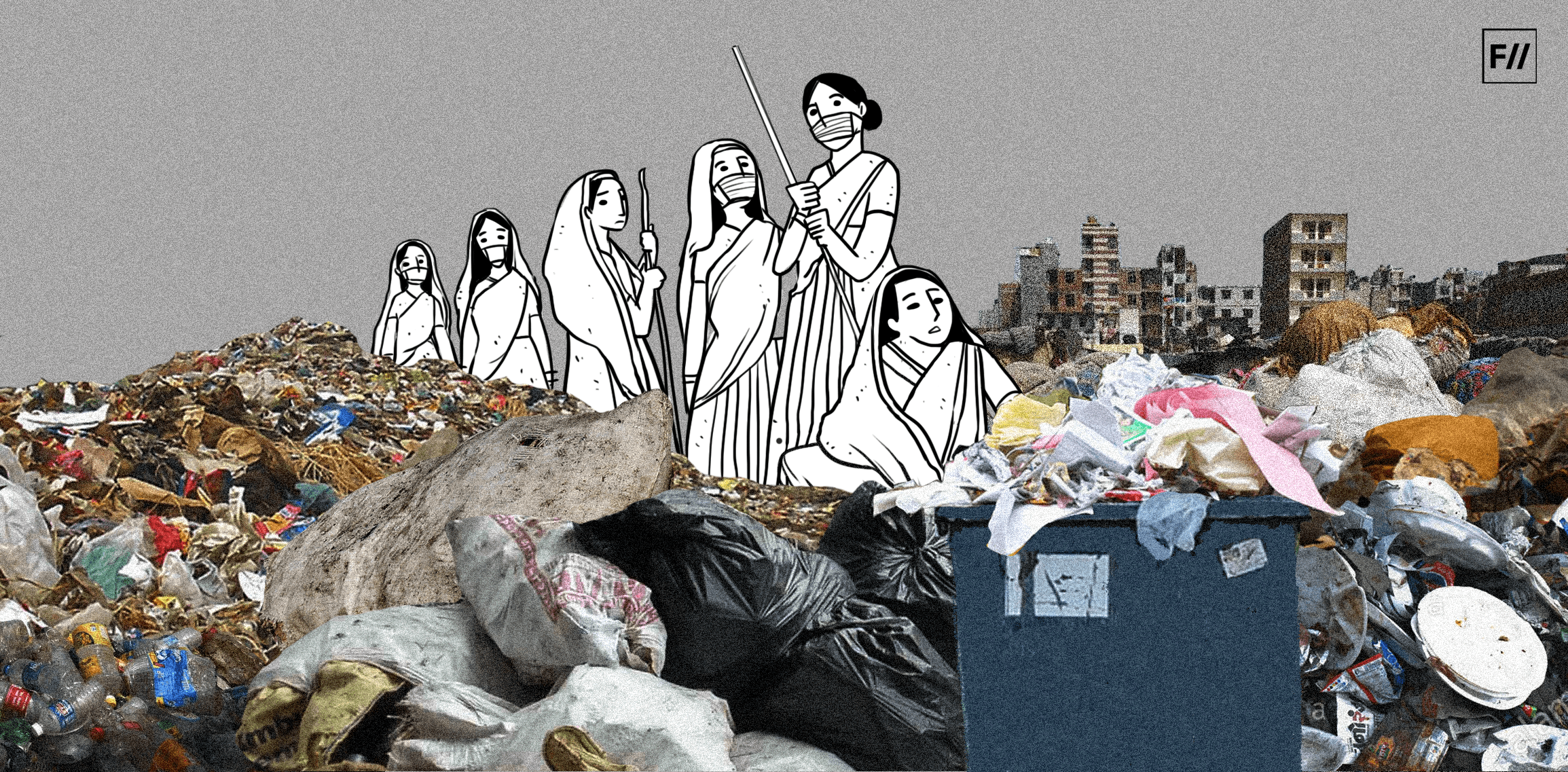
Urban waste management remains inefficient due to low public participation in segregation, weak communication, and inadequate infrastructure—further strained by poor coordination, limited enforcement, operational challenges, and lack of awareness among citizens and stakeholders.

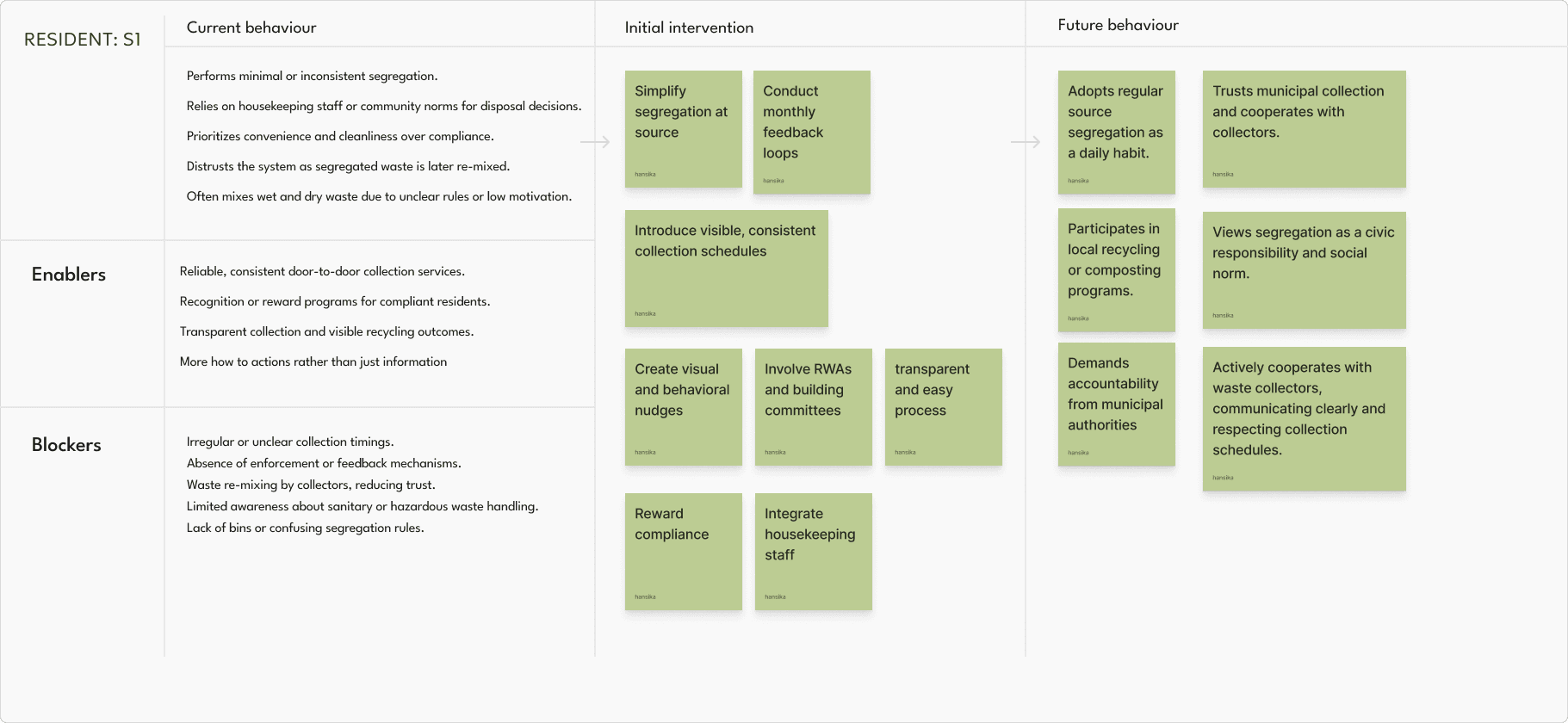
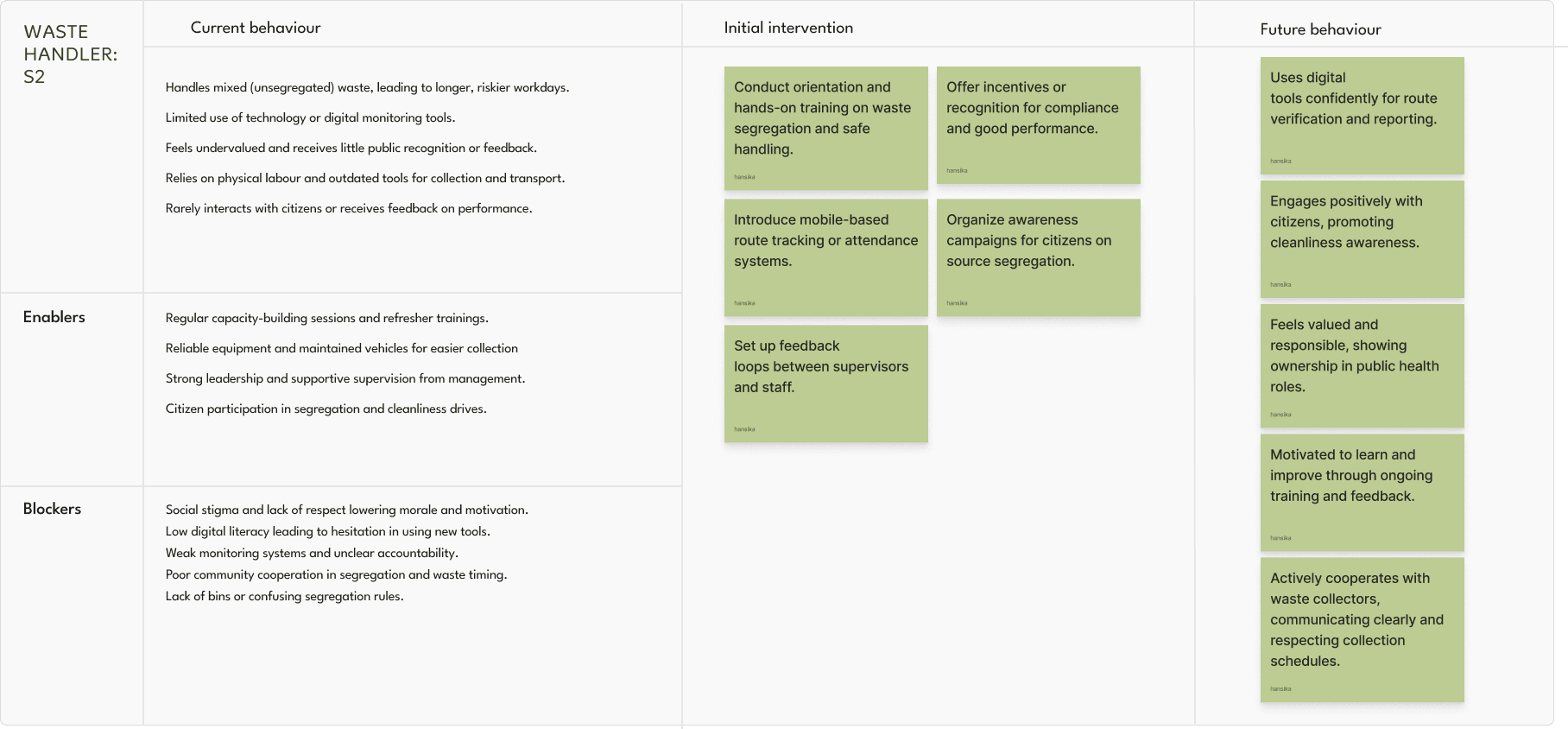
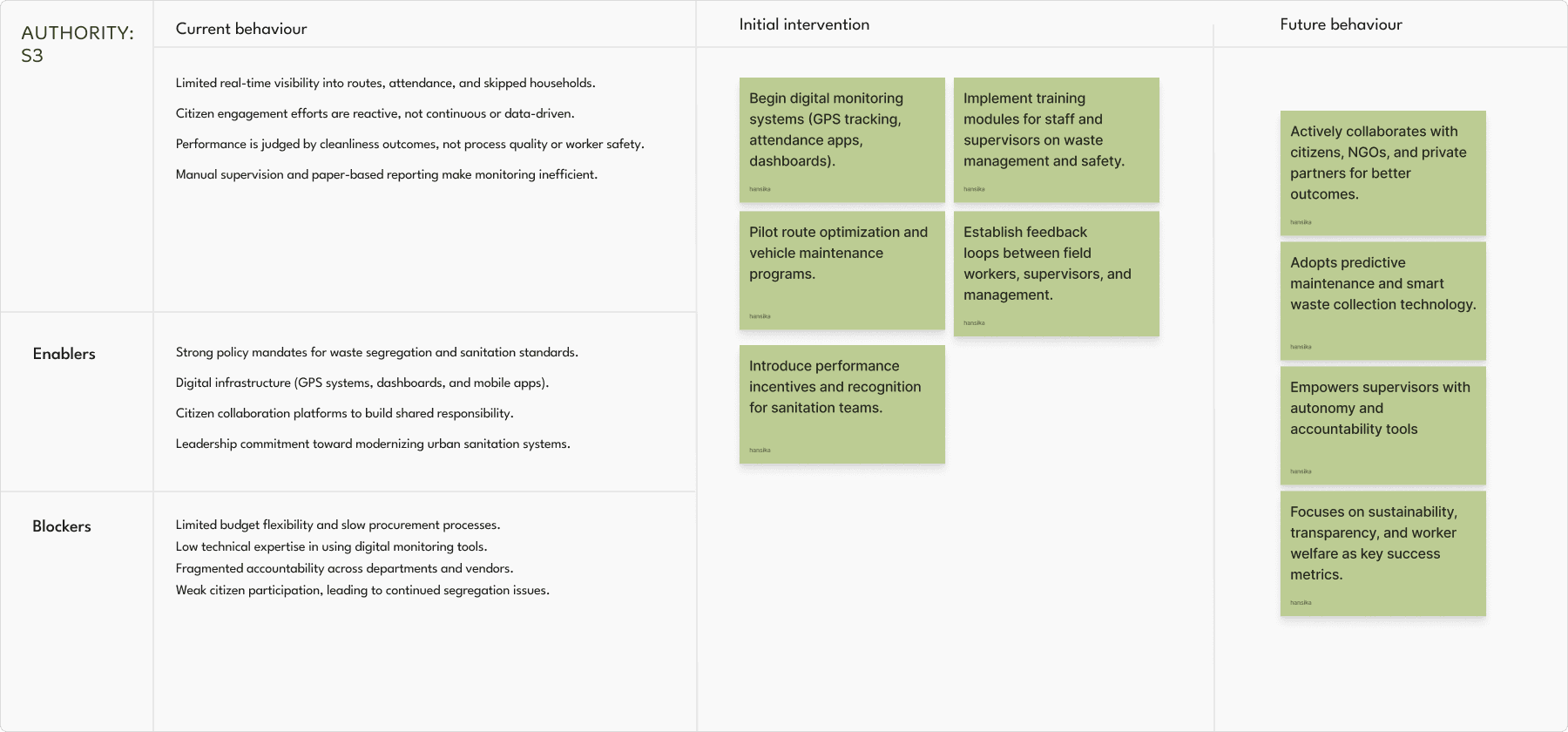
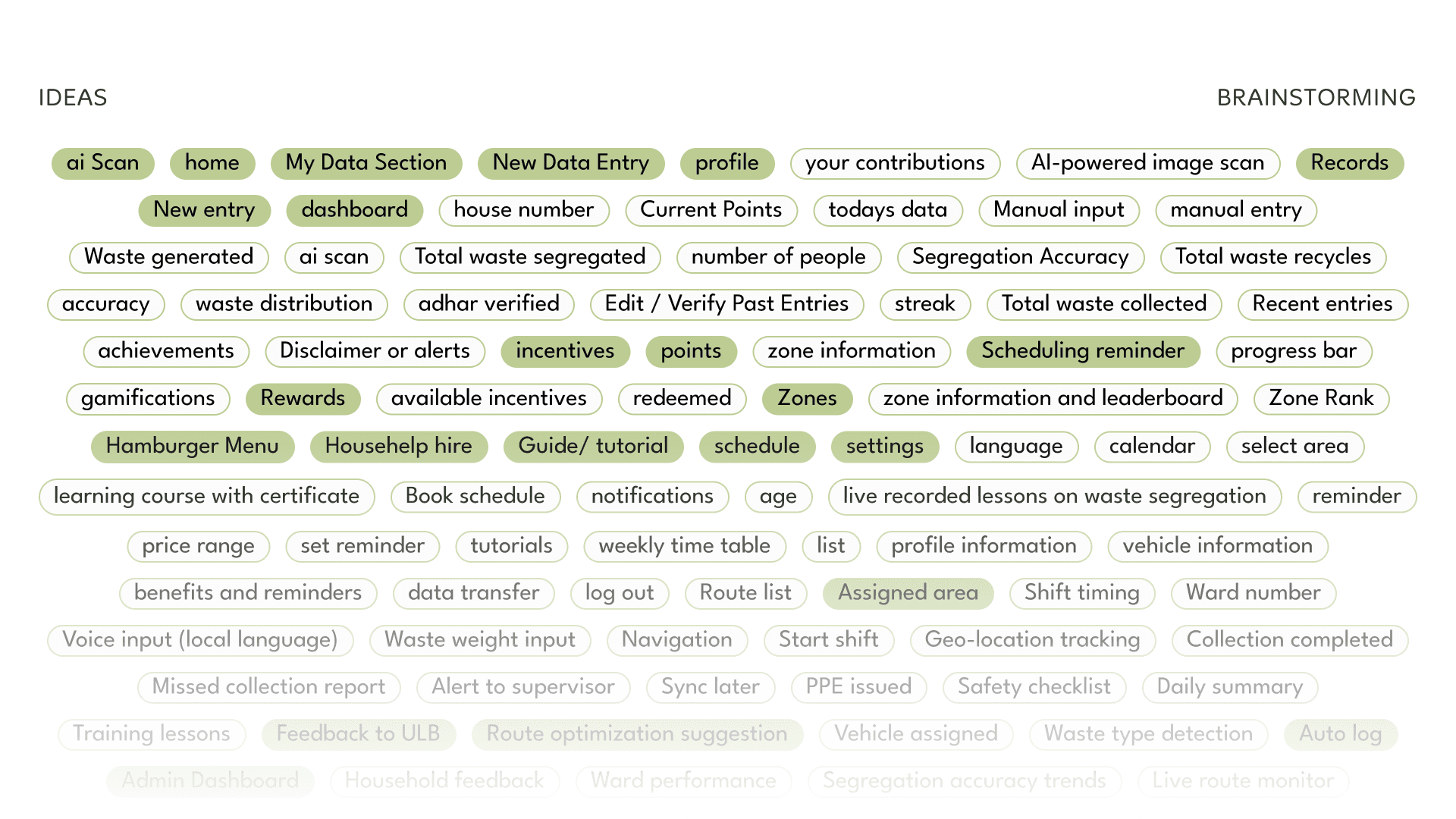
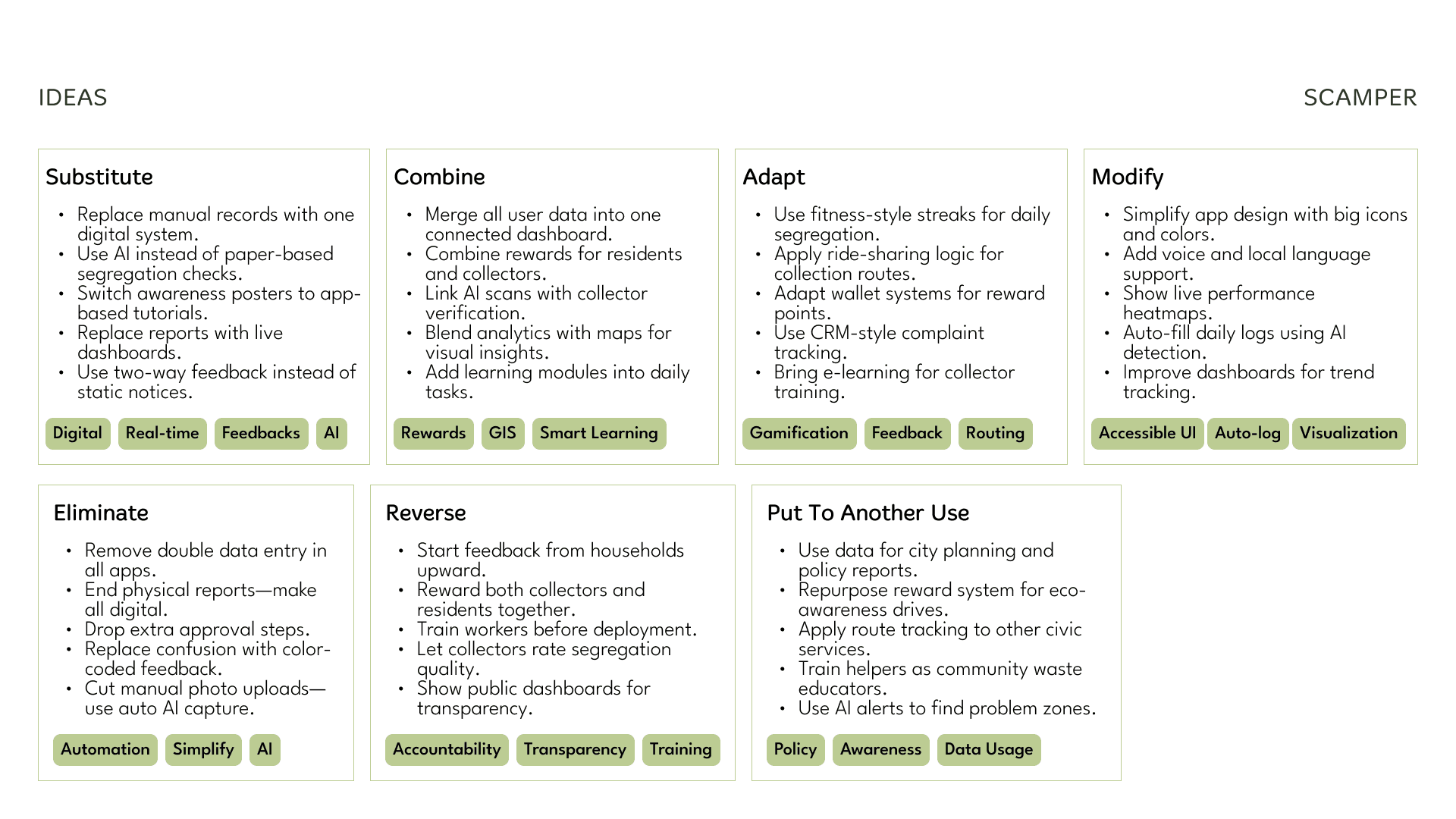
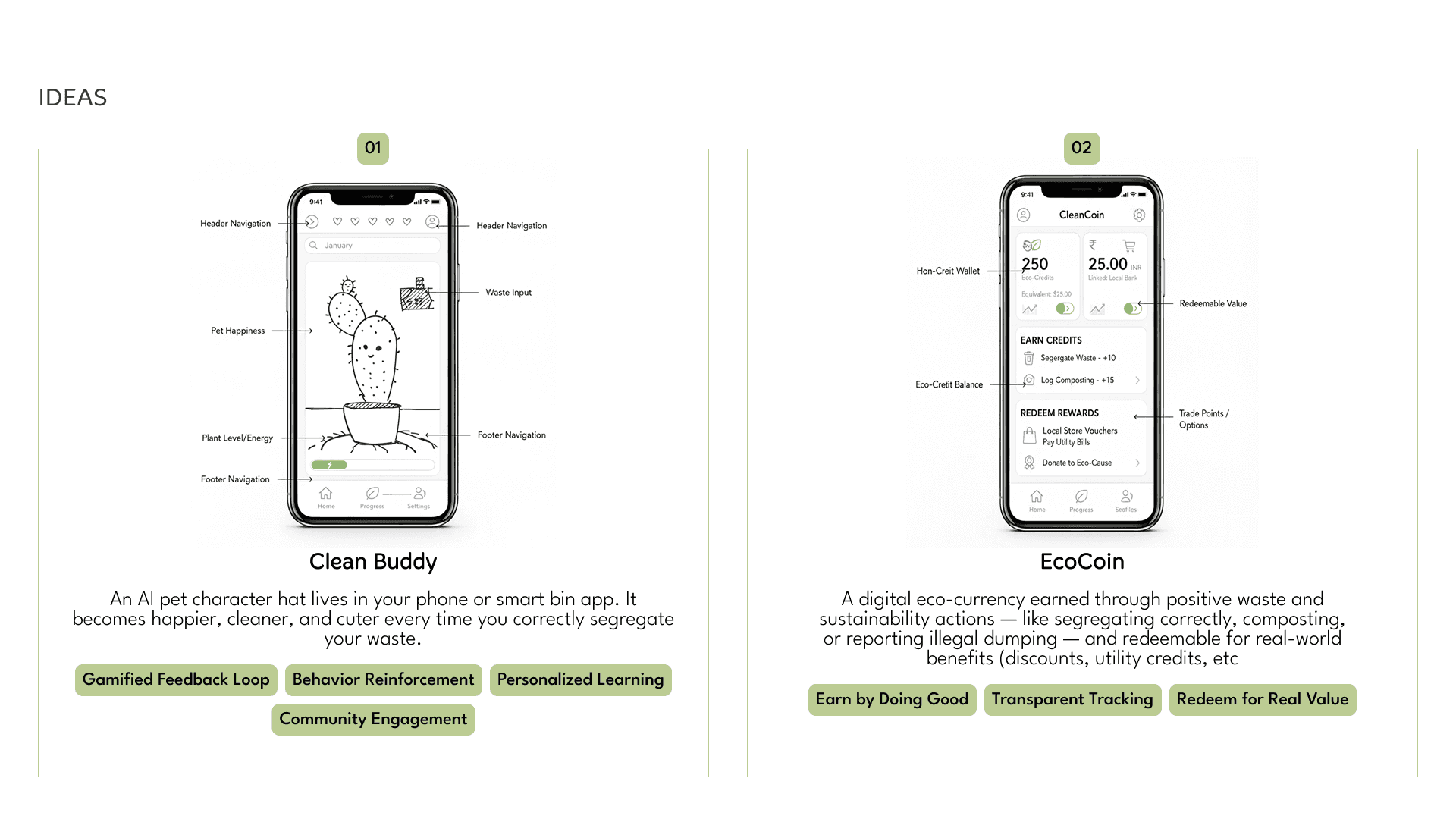
Conceptualising Accountability in Everyday Waste Management
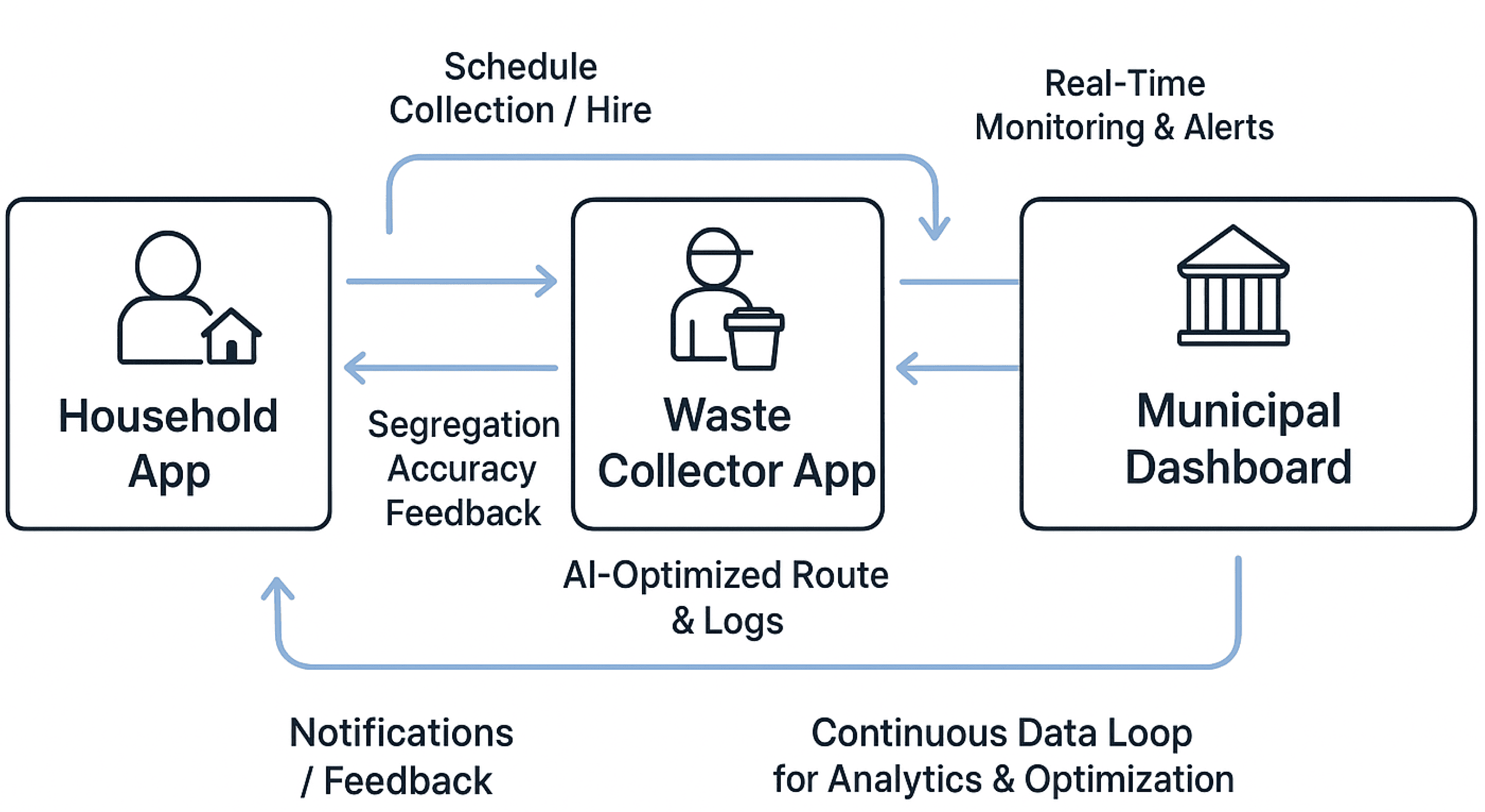
How will the system work?
01
Segregation feedback
Scheduling/reminders
Manual/AI waste logging
02
Waste verification
Communication loop
Optimised route planning
03
Live monitoring
Analytics dashboard
Alerts & notifications
Policy optimization
01
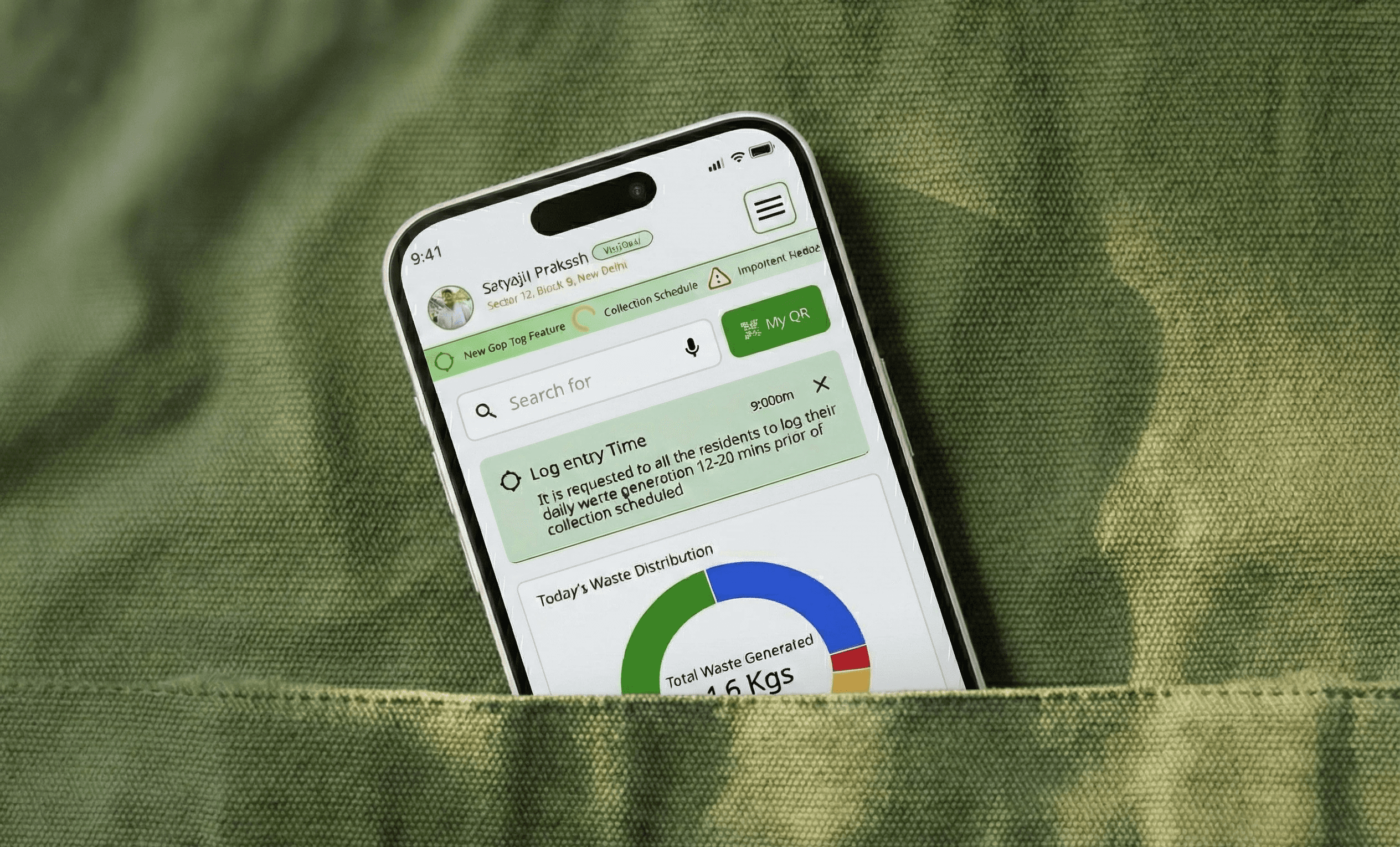
Household & Segregation App
Waste Generator
Household Residents
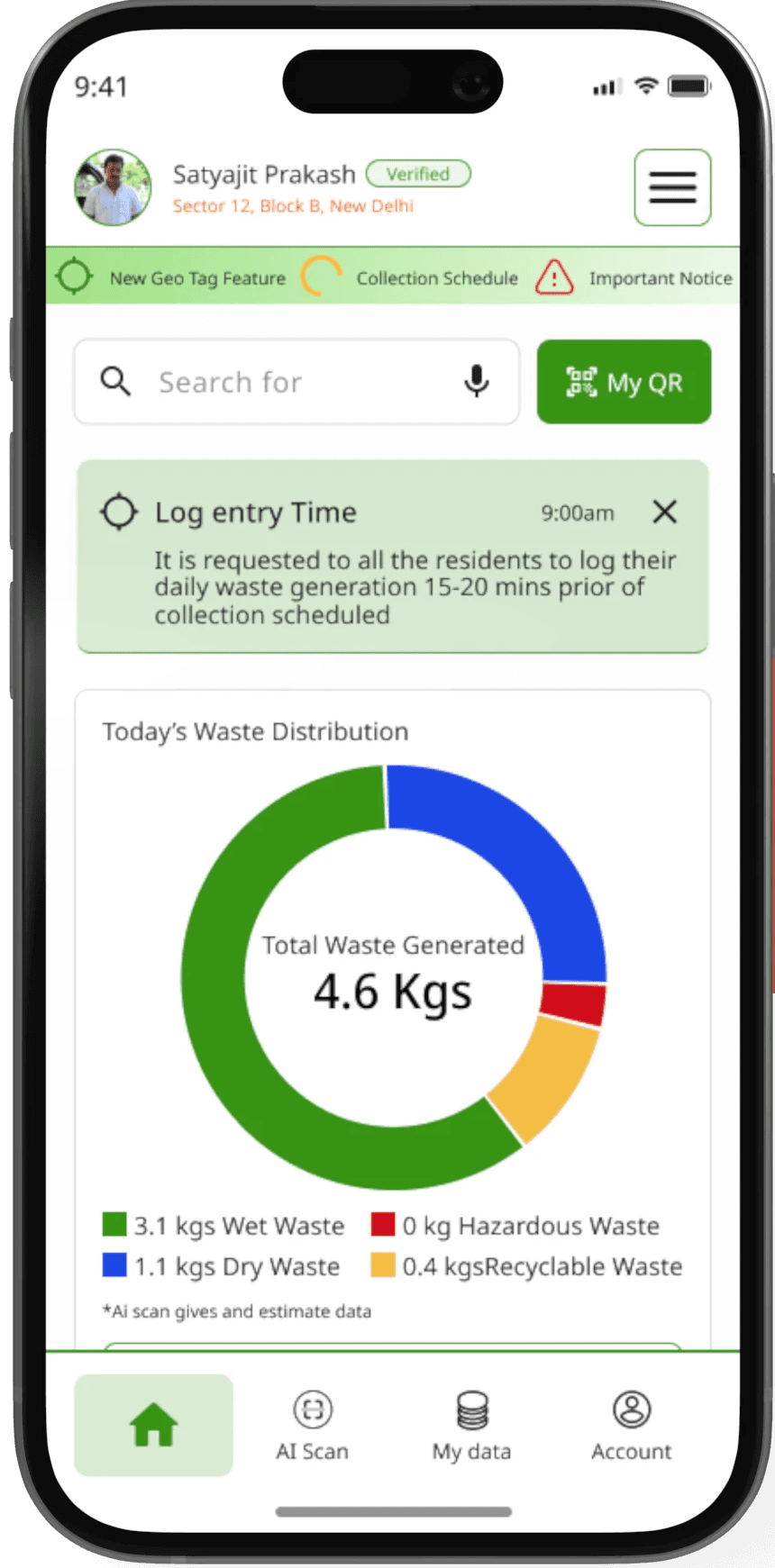
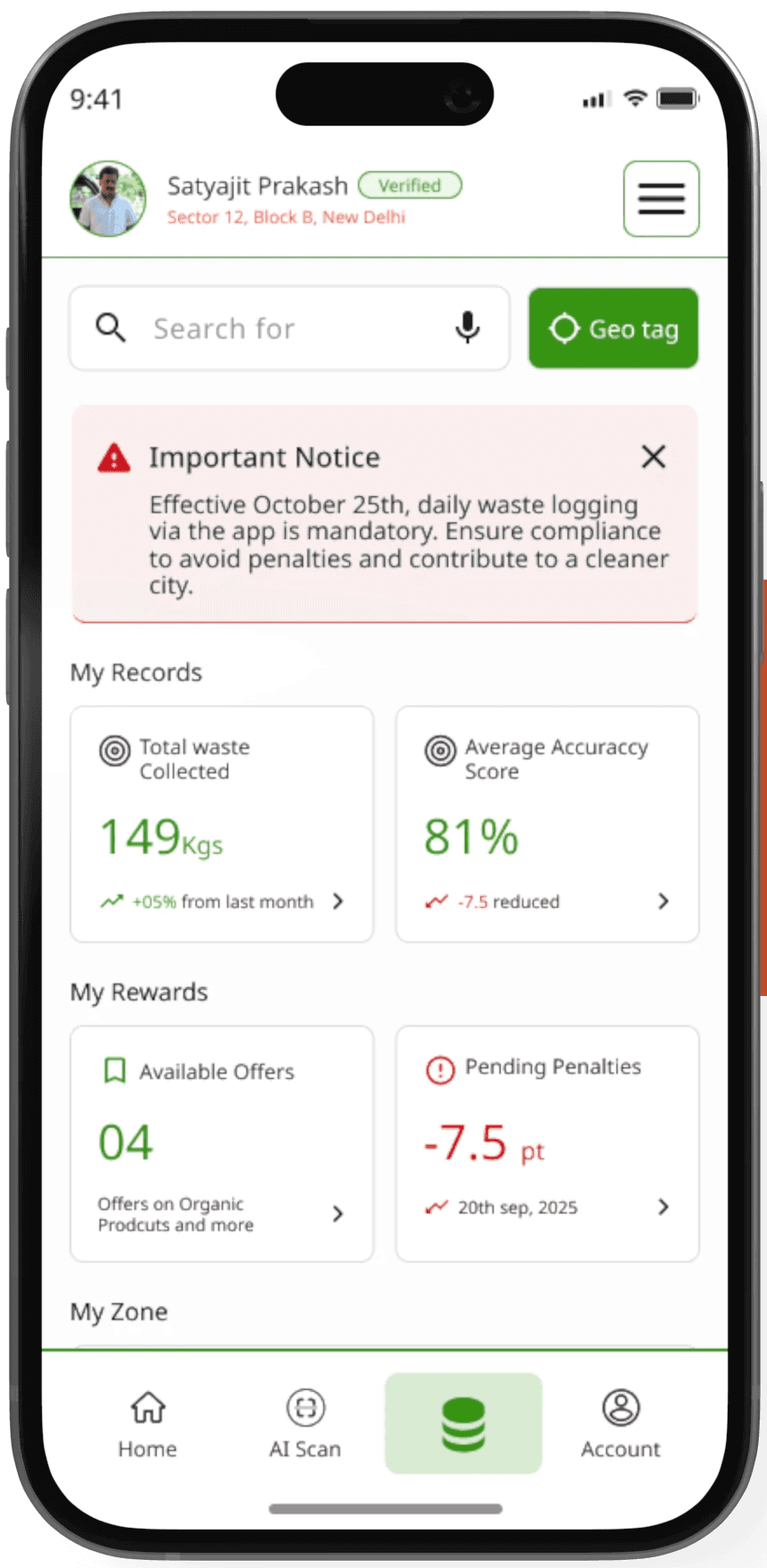
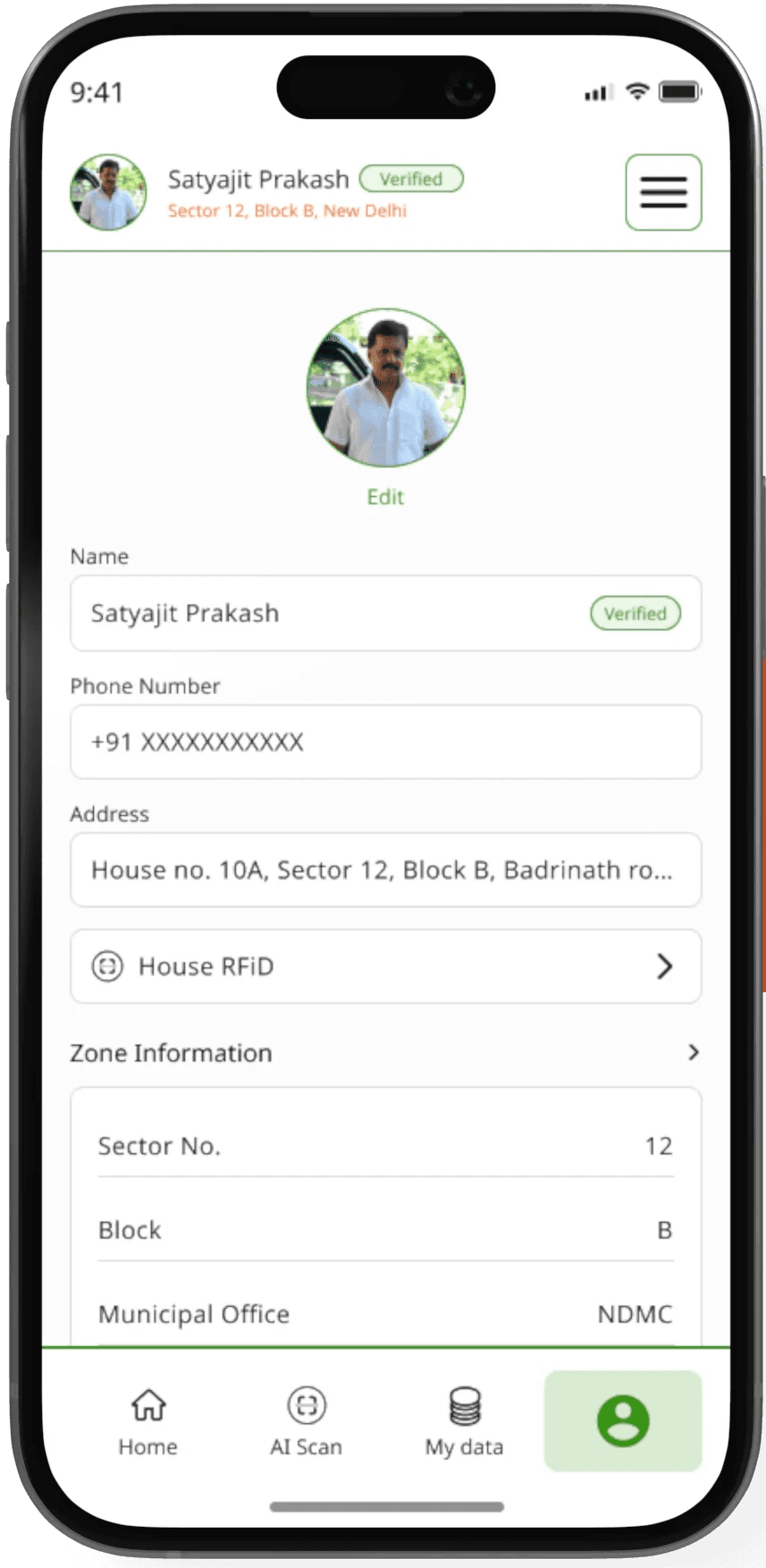
Simplifying Daily Waste Decisions Through AI
Task: Login my today's waste generation

Analysing
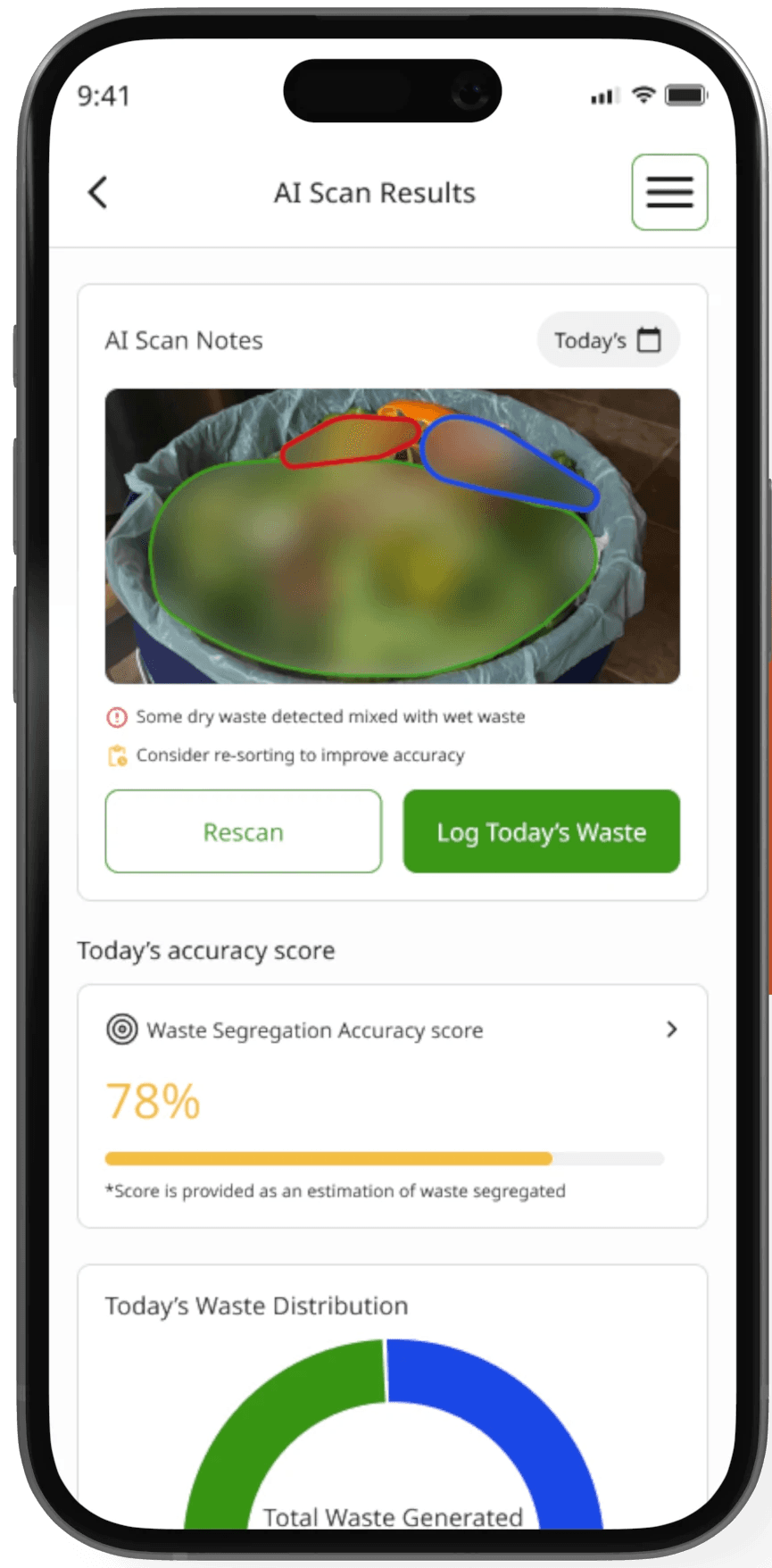
Result Screen
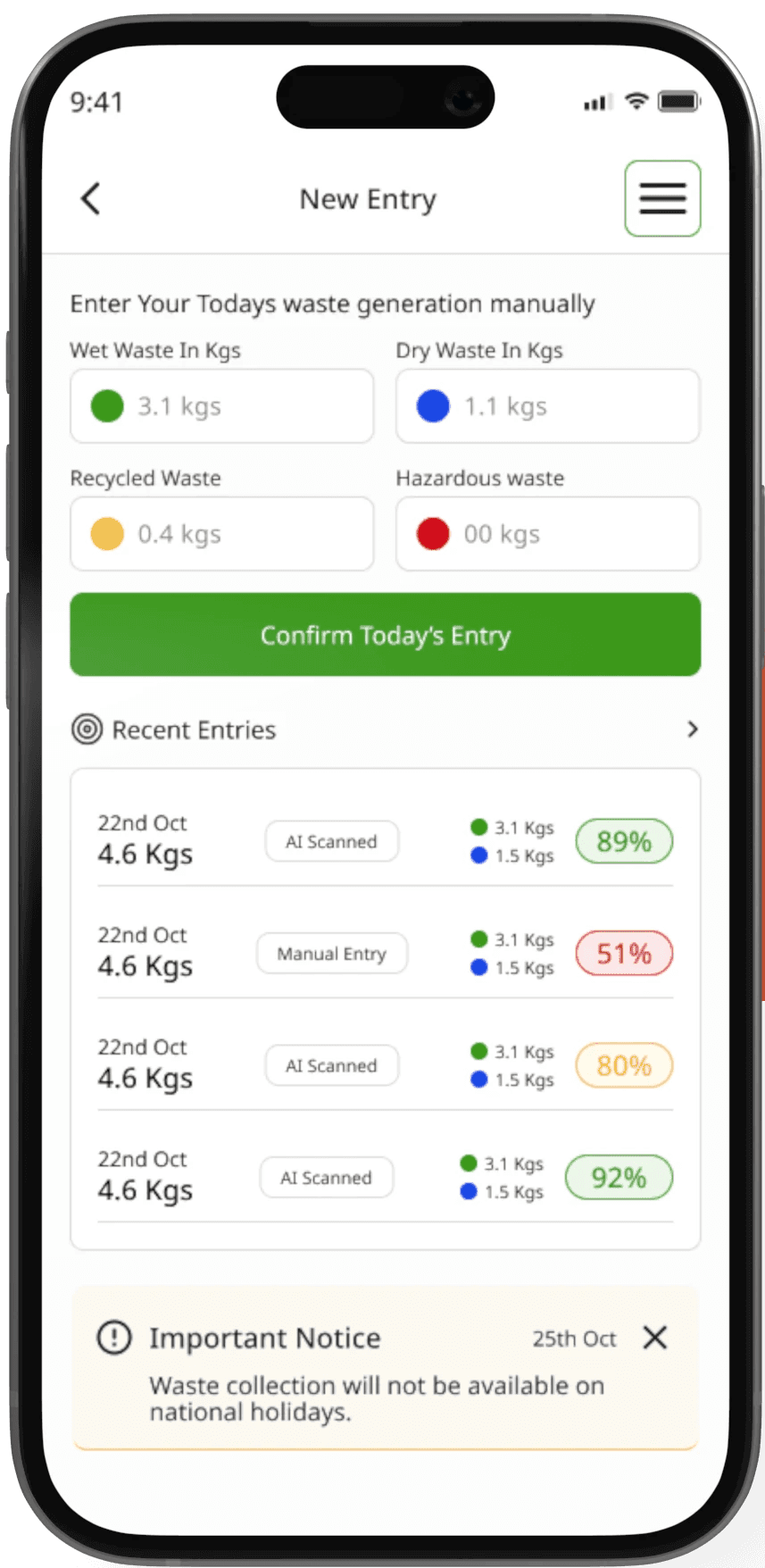
Review Screen
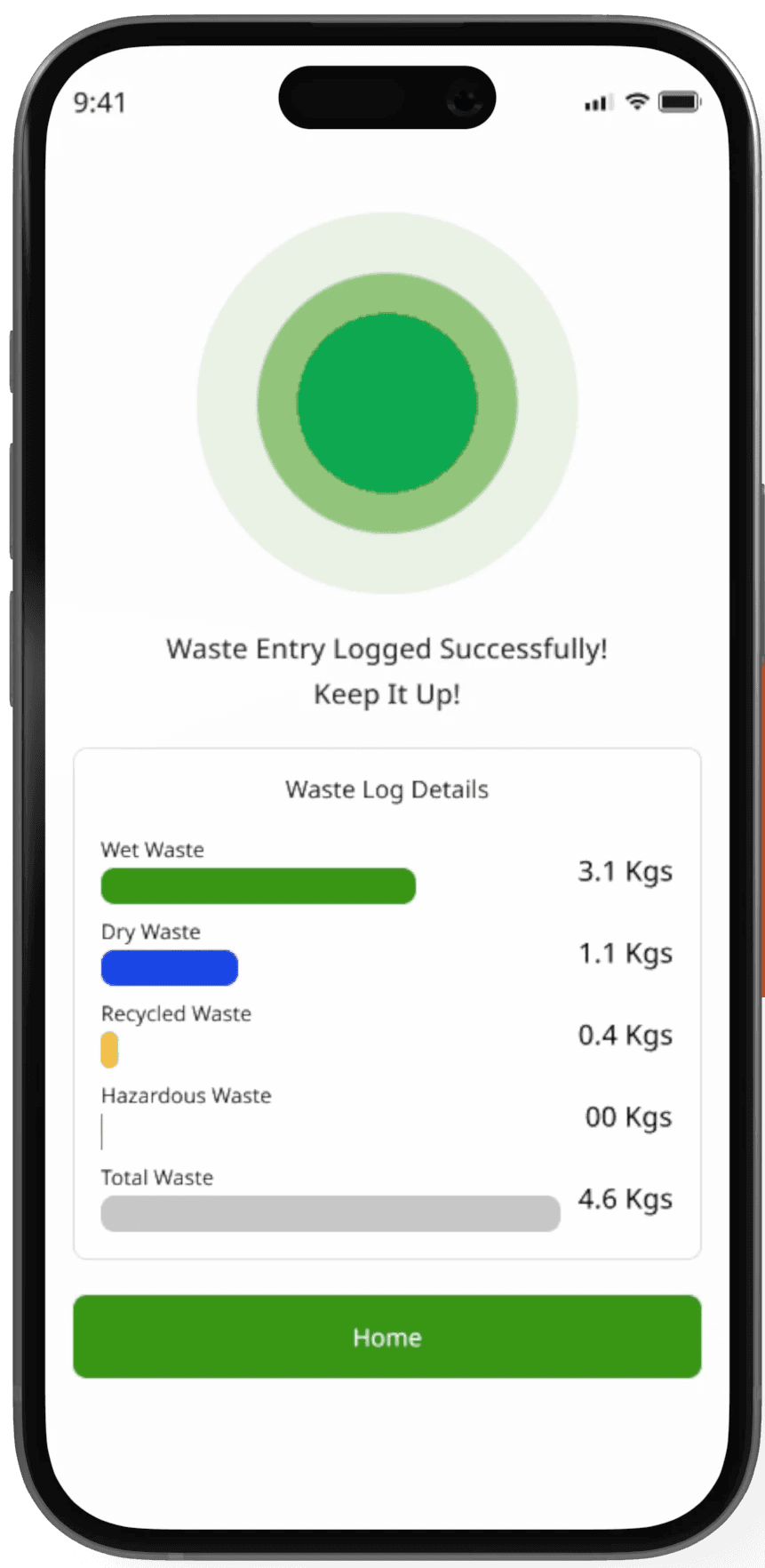
02
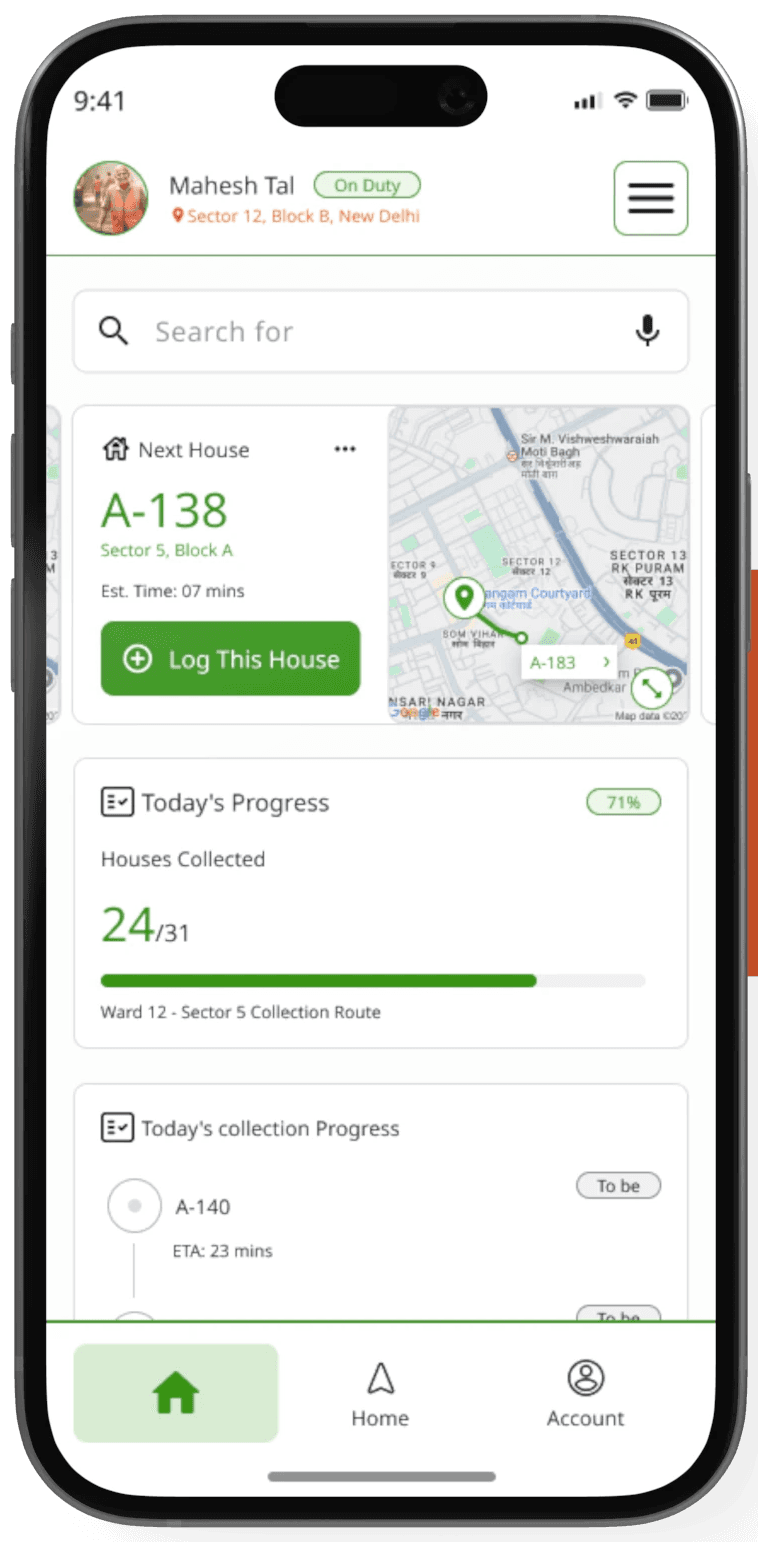
Collection & Verification App
Sanitation Staff
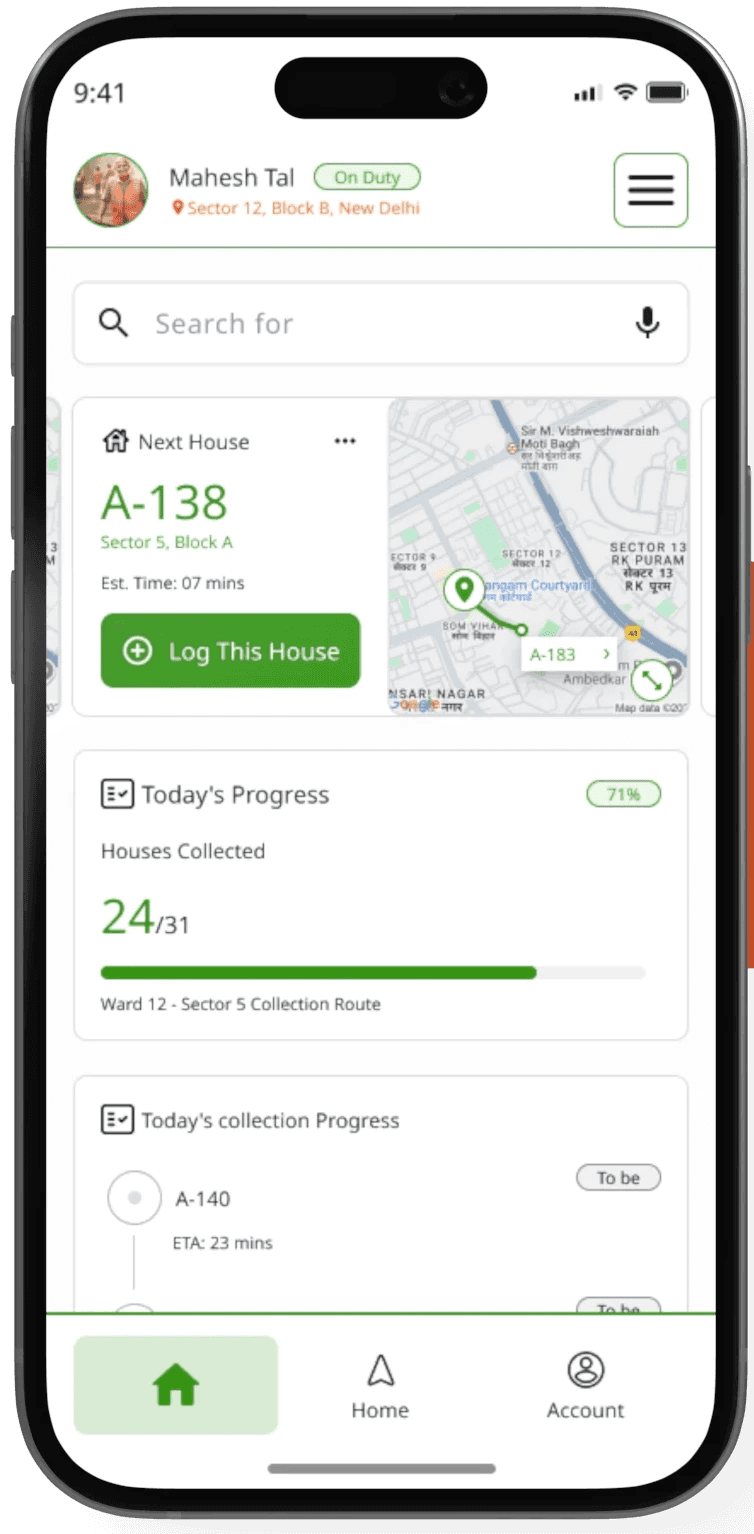
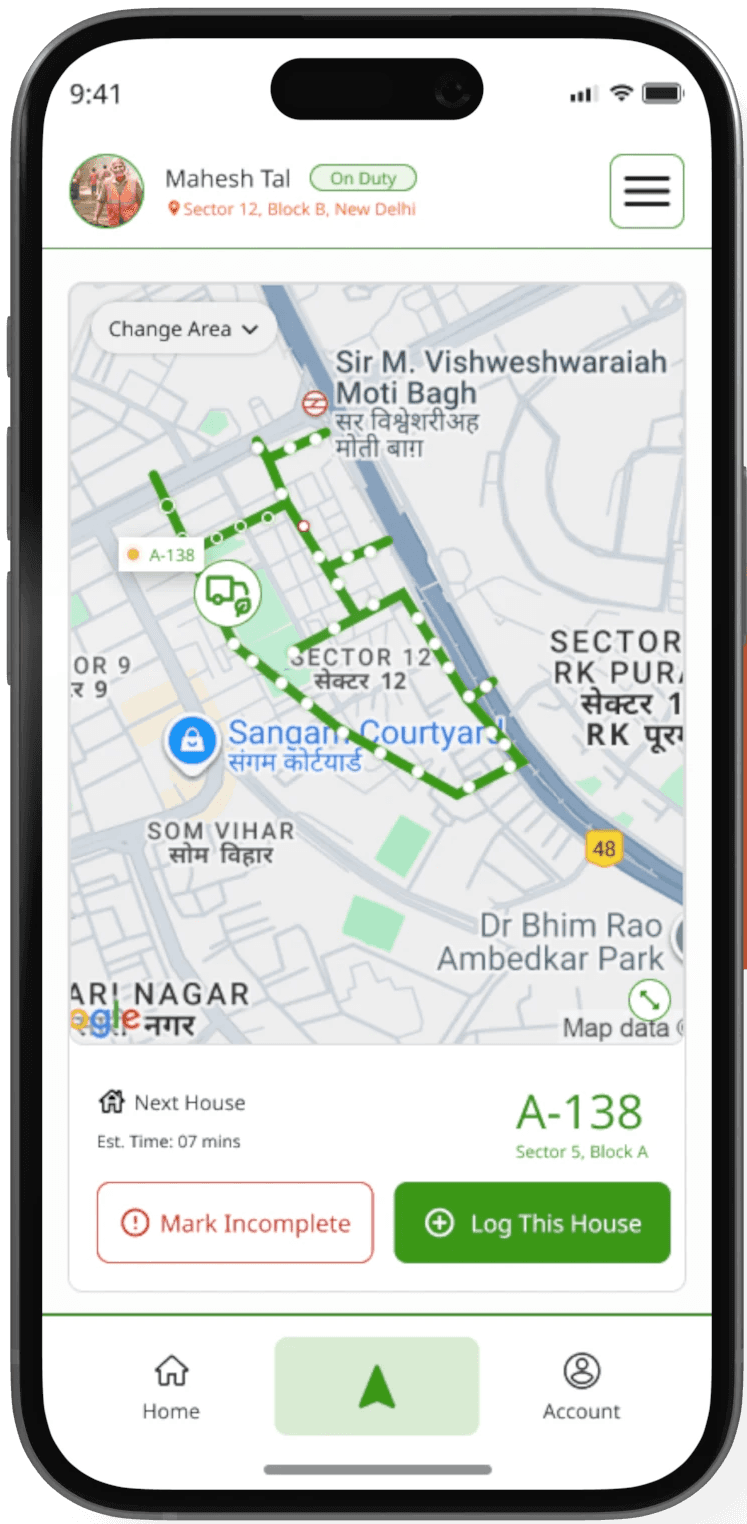
Navigate
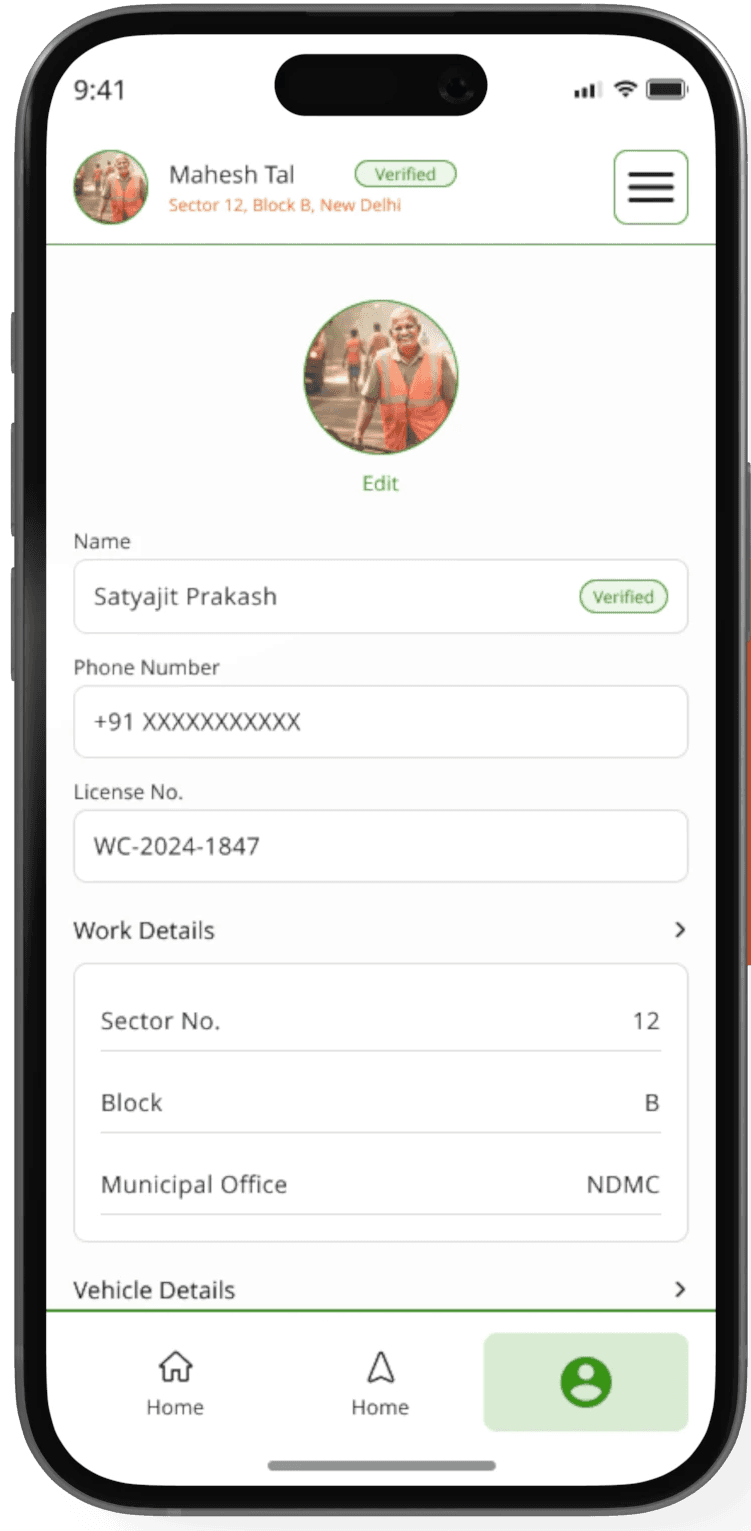
Profile
Enabling Efficient, Verified Waste Collection
Task: Login my today's waste generation for house A-138
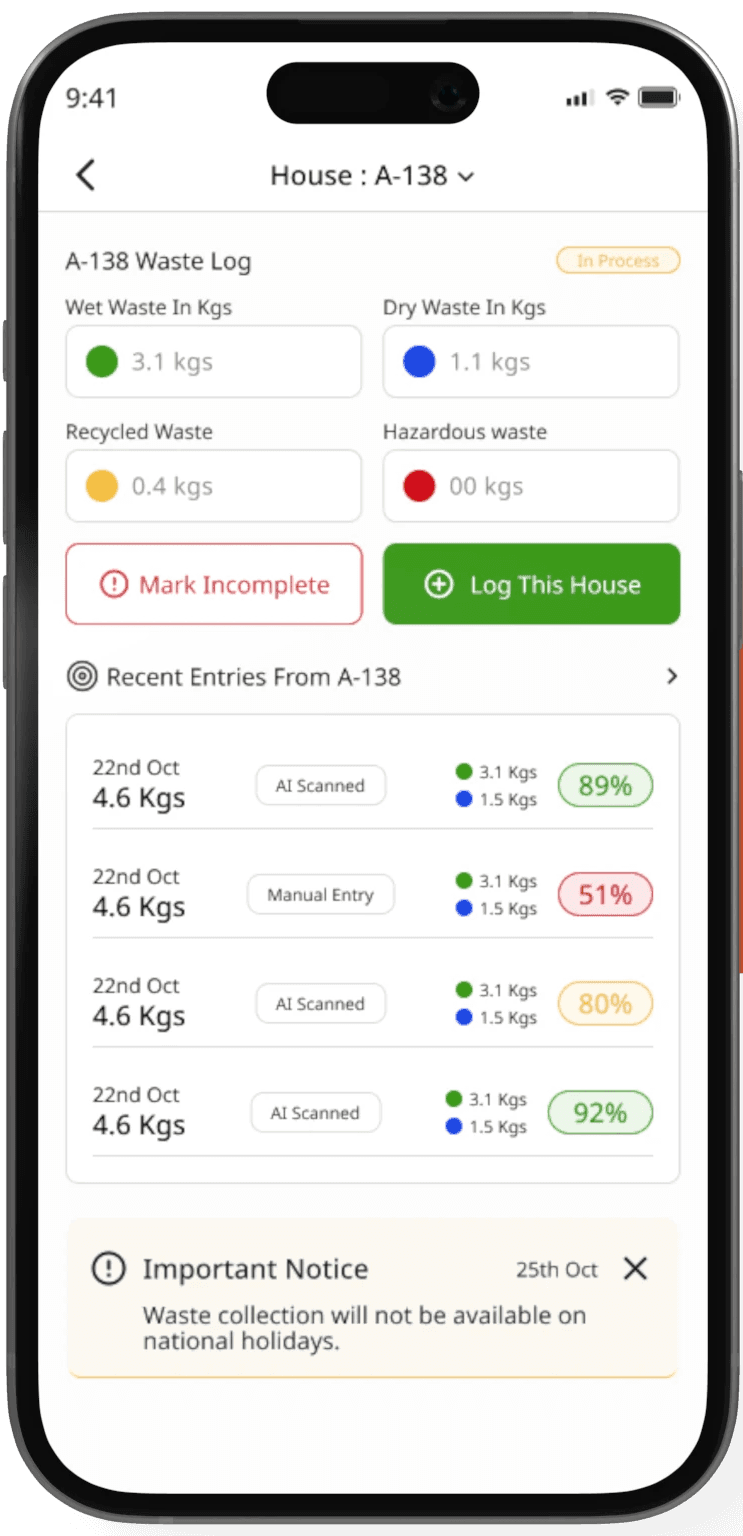
House Data
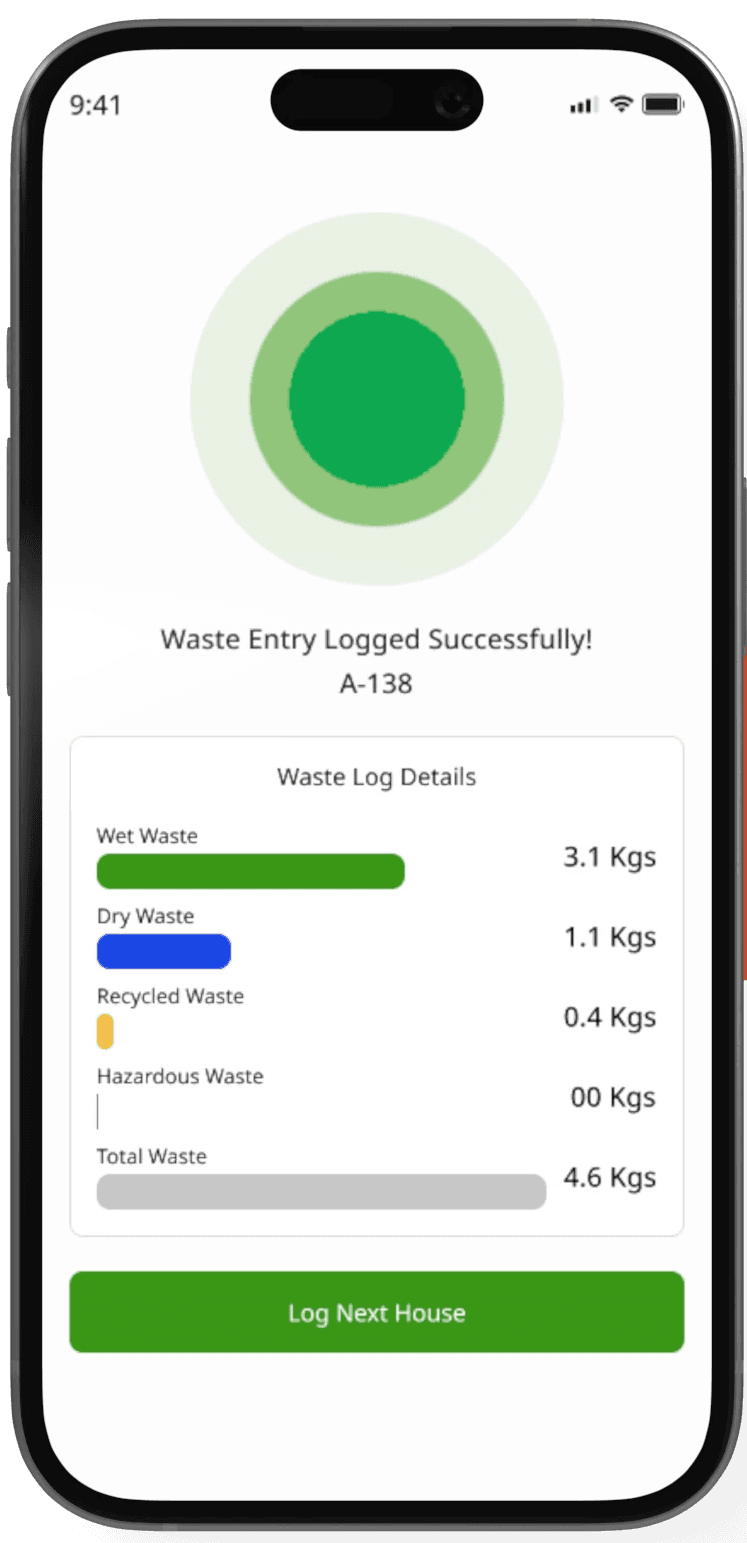
Confirmation Screen
03
ULBs
Municipal Office
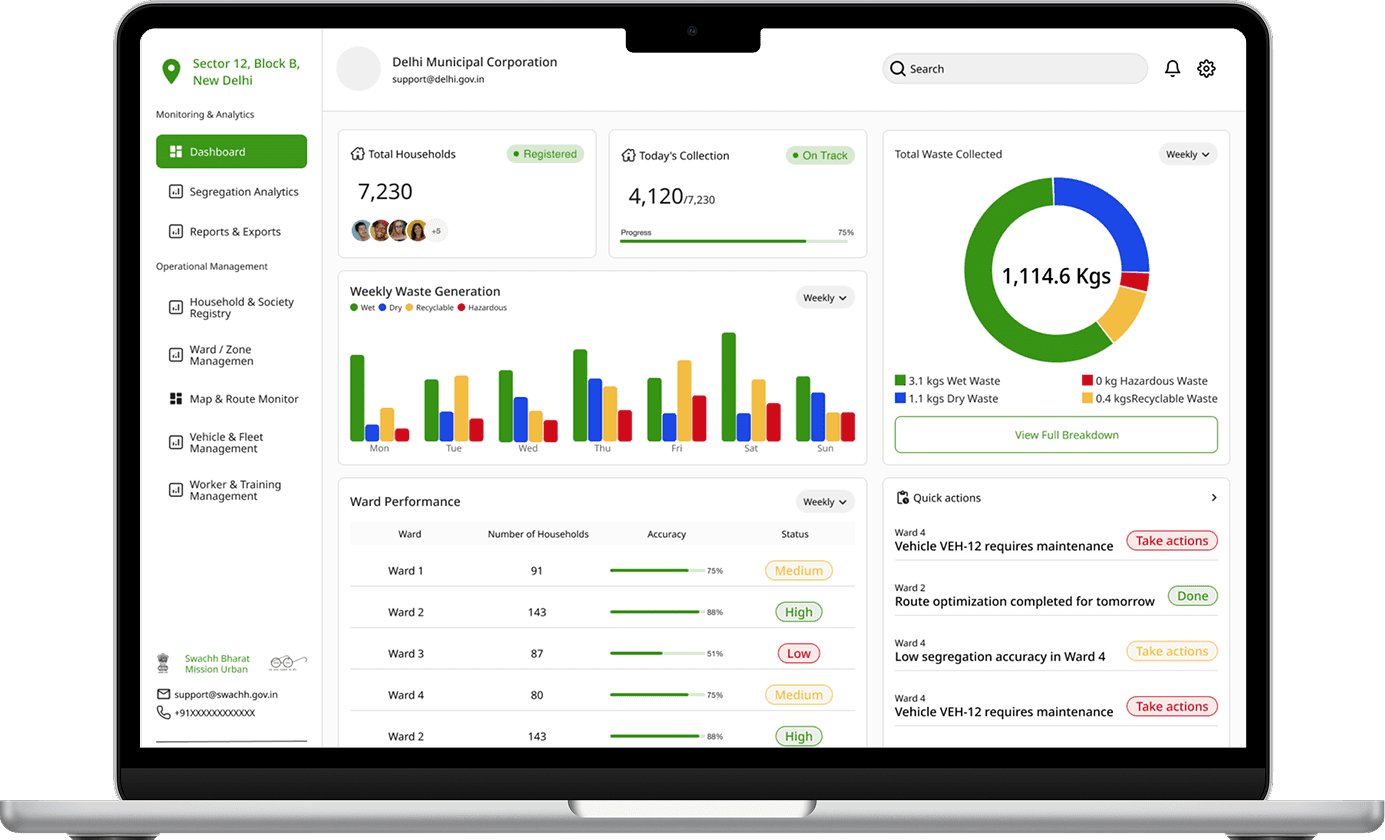
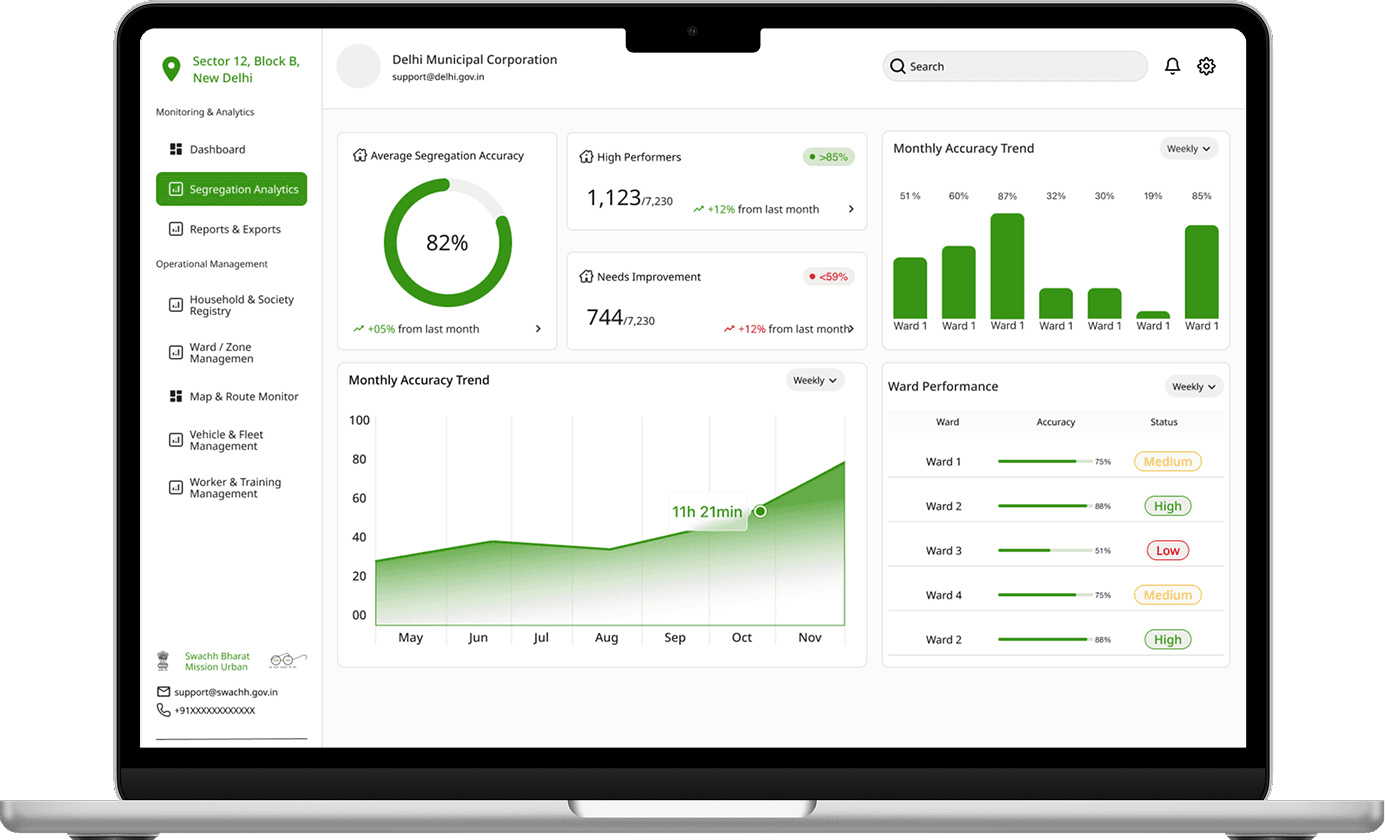
Shows overall waste collection data, household coverage, and ward performance with real-time charts and alerts for quick municipal action and optimization.